Making websites accessible: how we implement accessibility in our projects as an agency
The deadline is coming up soon and many websites have to be accessible. So let’s do a test. “87% compliant” – sounds good, doesn’t it? We thought so too at first. Until we took a closer look. Because web accessibility is not about pretty percentages or colorful traffic lights. It’s about clear legal requirements, real usability and ultimately about people.
As of June 28, 2025, when the Accessibility Reinforcement Act (BFSG ) comes into force, many websites will no longer be able to “just get by”. Now it’s either comply or risk it – including fines and complaints if the requirements are not met and/or information obligations are not met.
As an agency for website accessibility: So what have we been up to in the last few weeks?
In short: websites have been spruced up. Or to put it more honestly: we have marched through many a CSS, HTML and JavaScript wilderness with a digital red pen. And websites also had to adapt and expand their content.
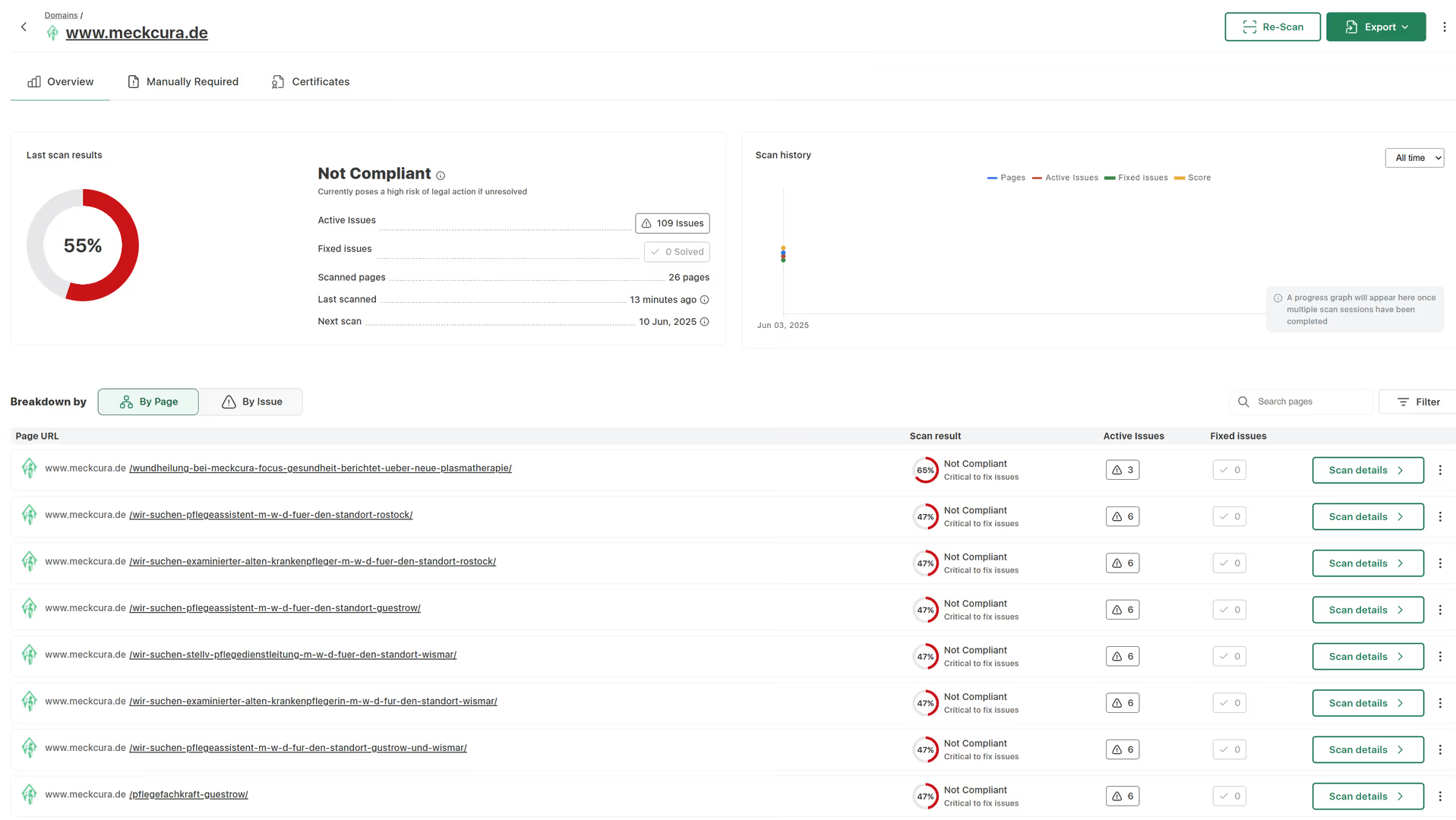
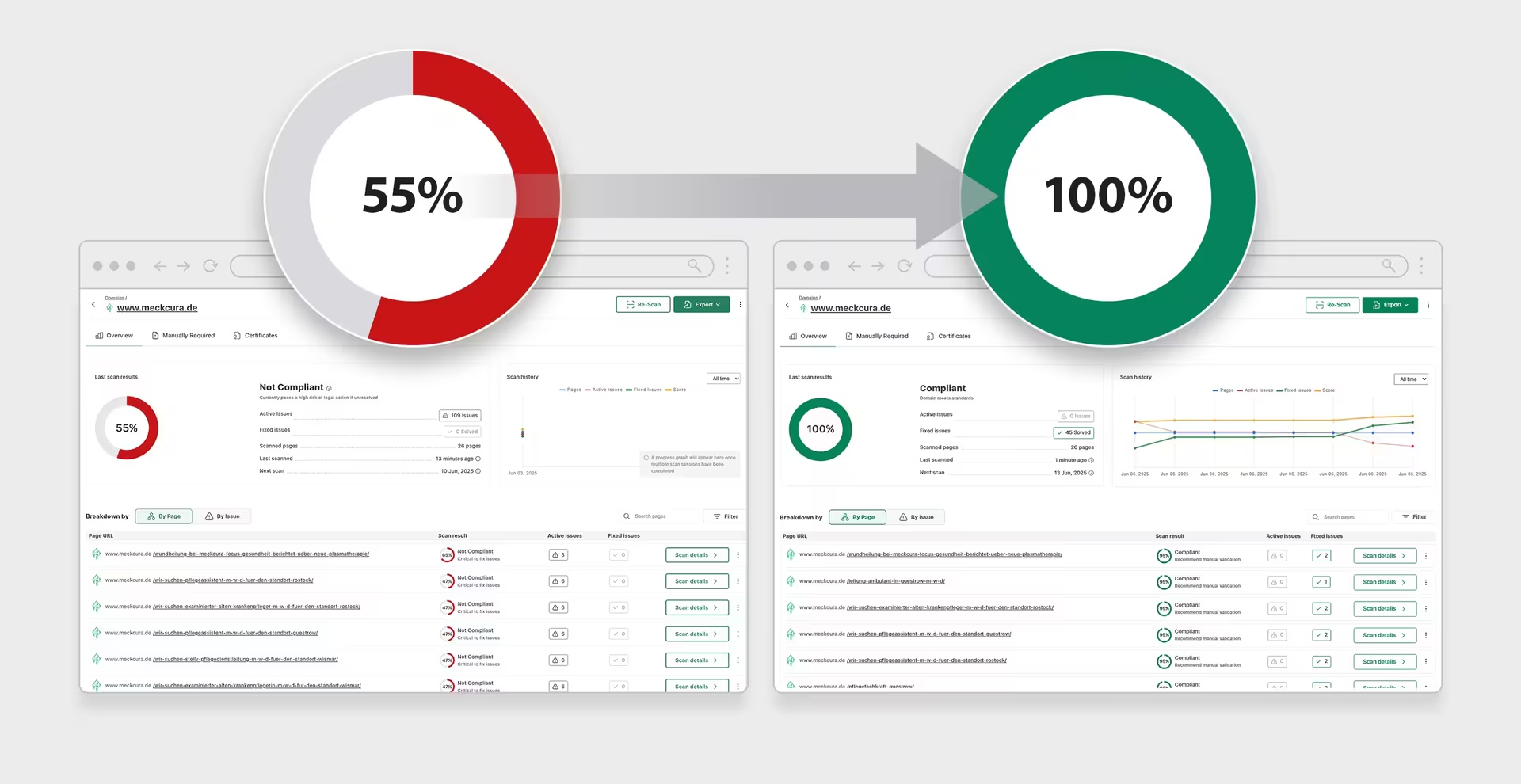
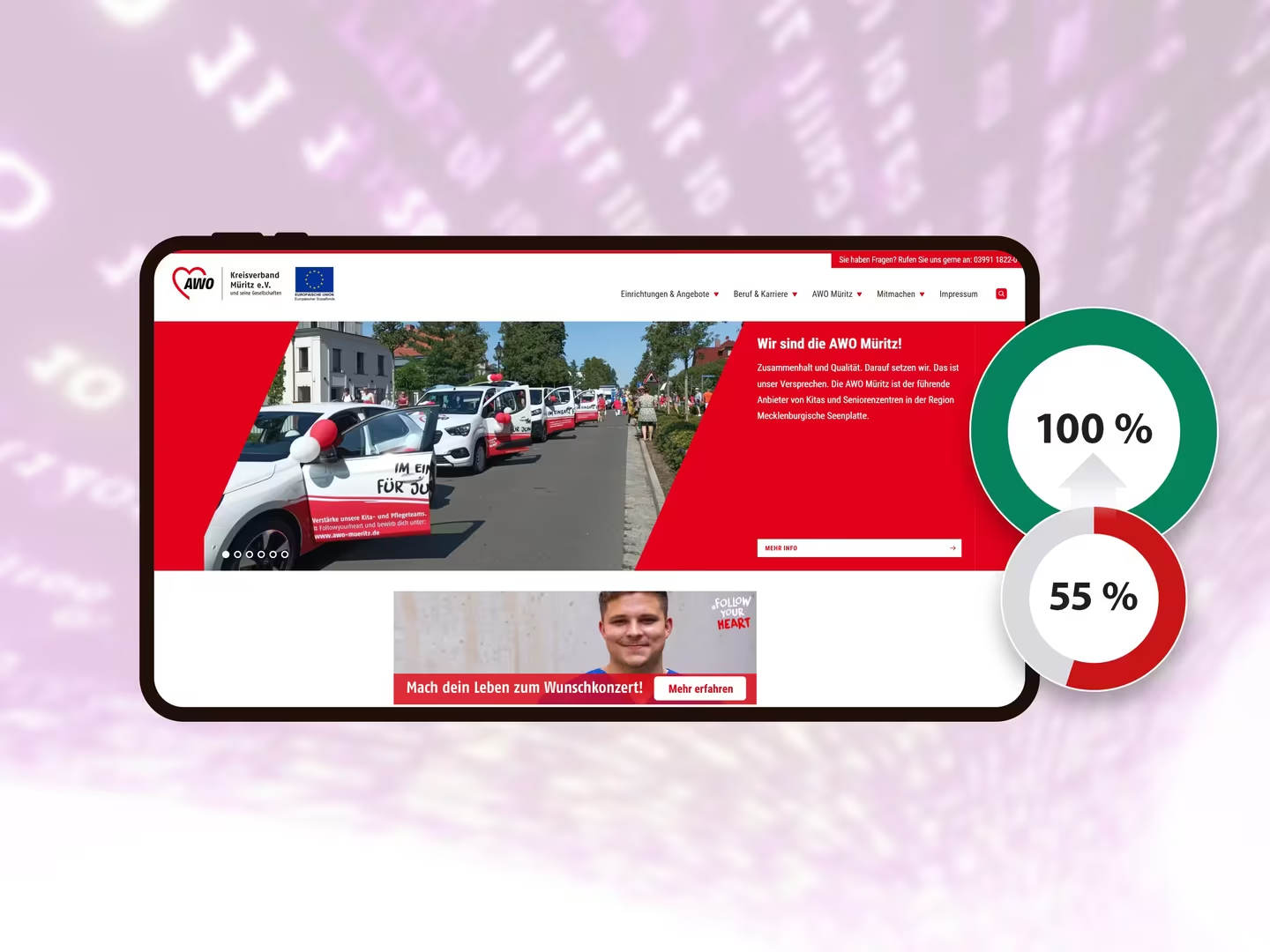
From 55% to 100% accessibility: this is what it looks like in practice
Want an example? This is how a current project started at a care provider:
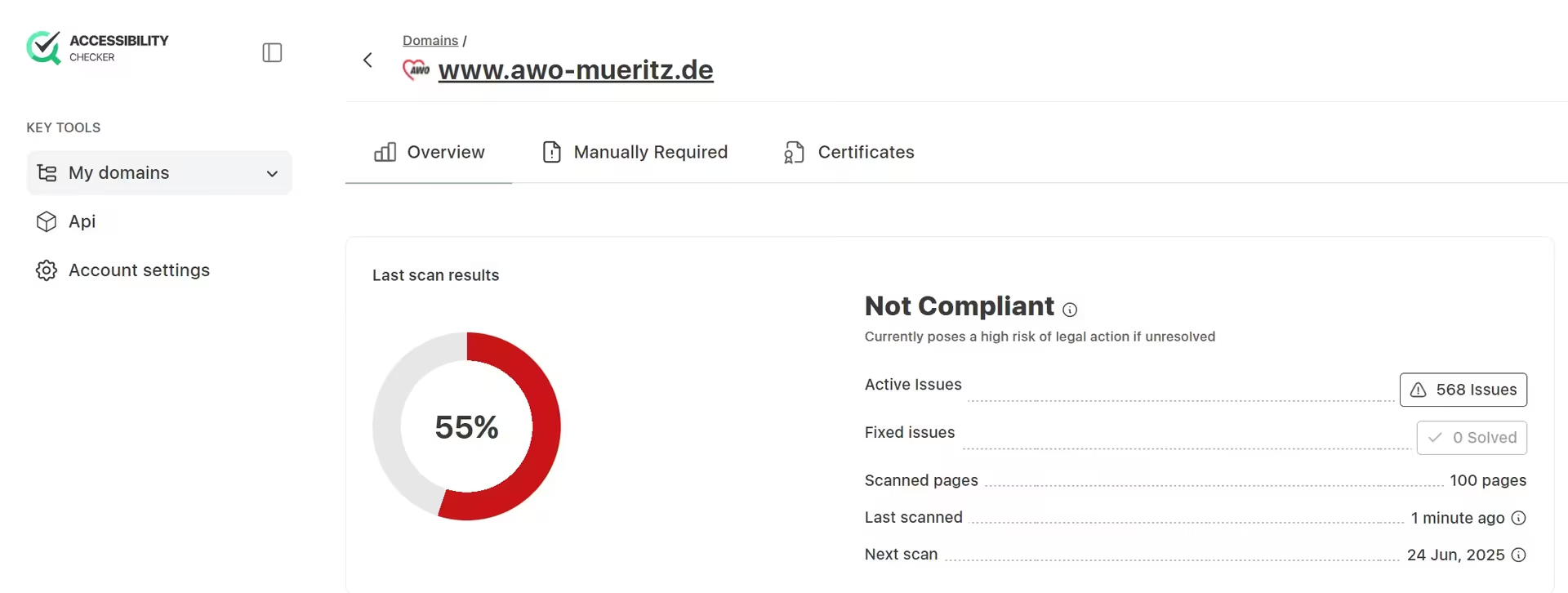
55 % compliance … and that on a site aimed at older people and their relatives.
After targeted measures: 100% compliant and certified
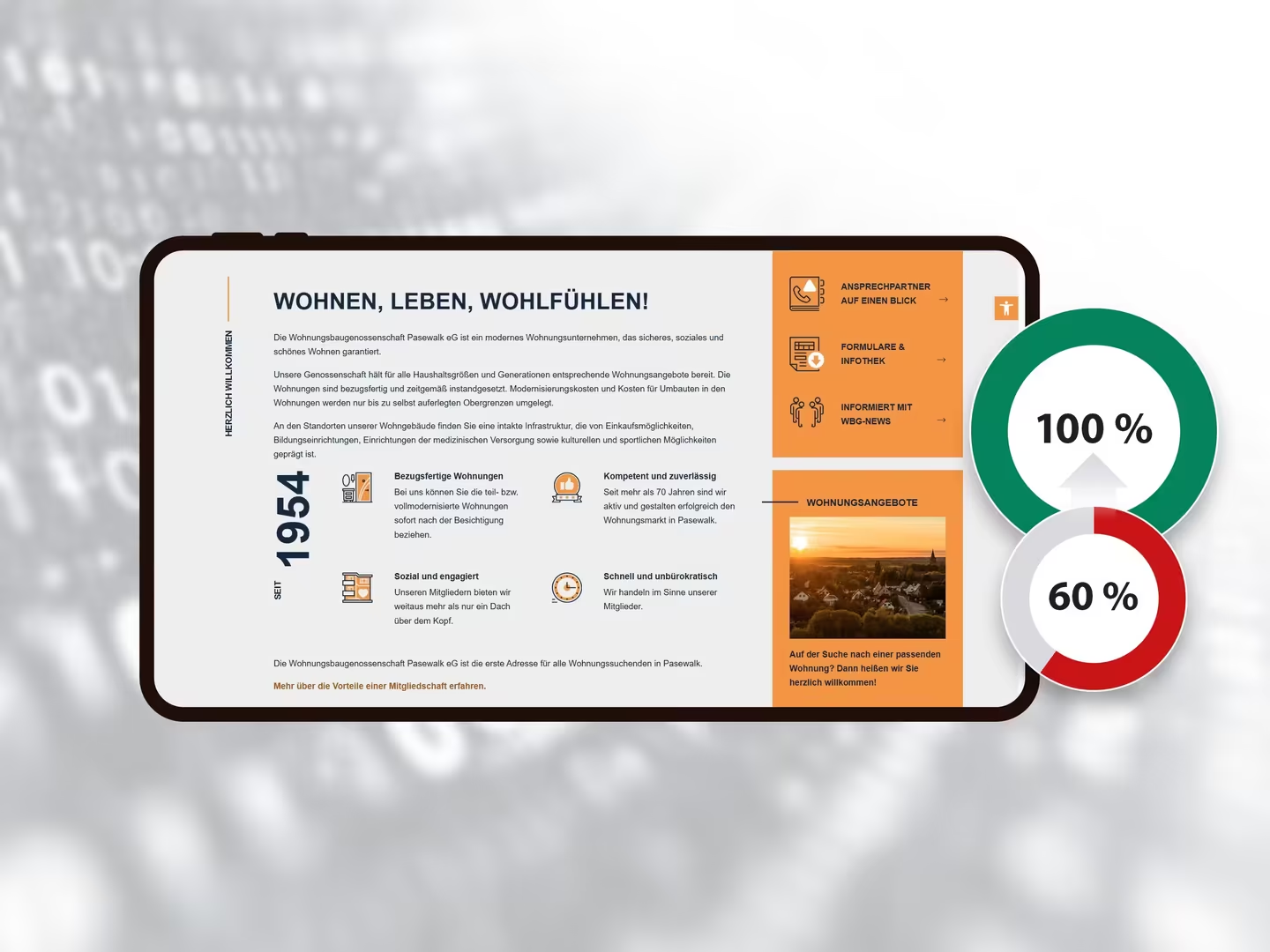
And this is not an isolated case. In recent weeks, we have created pages for:
- AWO Müritz
- various nursing and social services
- einen Hersteller von High-End-Wasserkühlungen
- Doctors and dental practices
- housing associations
- two online stores
… brought to 100 % accessibility.
What exactly do we do as an agency?
Quite a lot – and above all: correct and comprehensible.
- Adjust contrasts so that texts are truly readable
- Make links and buttons usable for screen readers and keyboards
- Add ARIA labels (where they were previously missing)
- Überschriftenstrukturen aufräumen (ja, h1 bis h6 in der richtigen Reihenfolge – keine Rocket Science, aber oft genug vernachlässigt)
- Add alternative text for images (over 700 in one project!)
- Design forms so that assistive technologies can understand them
- Integrate plug-ins for additional accessibility aids
- Implementing plain language for complex content
- Create an accessibility statement (legally required, often forgotten)
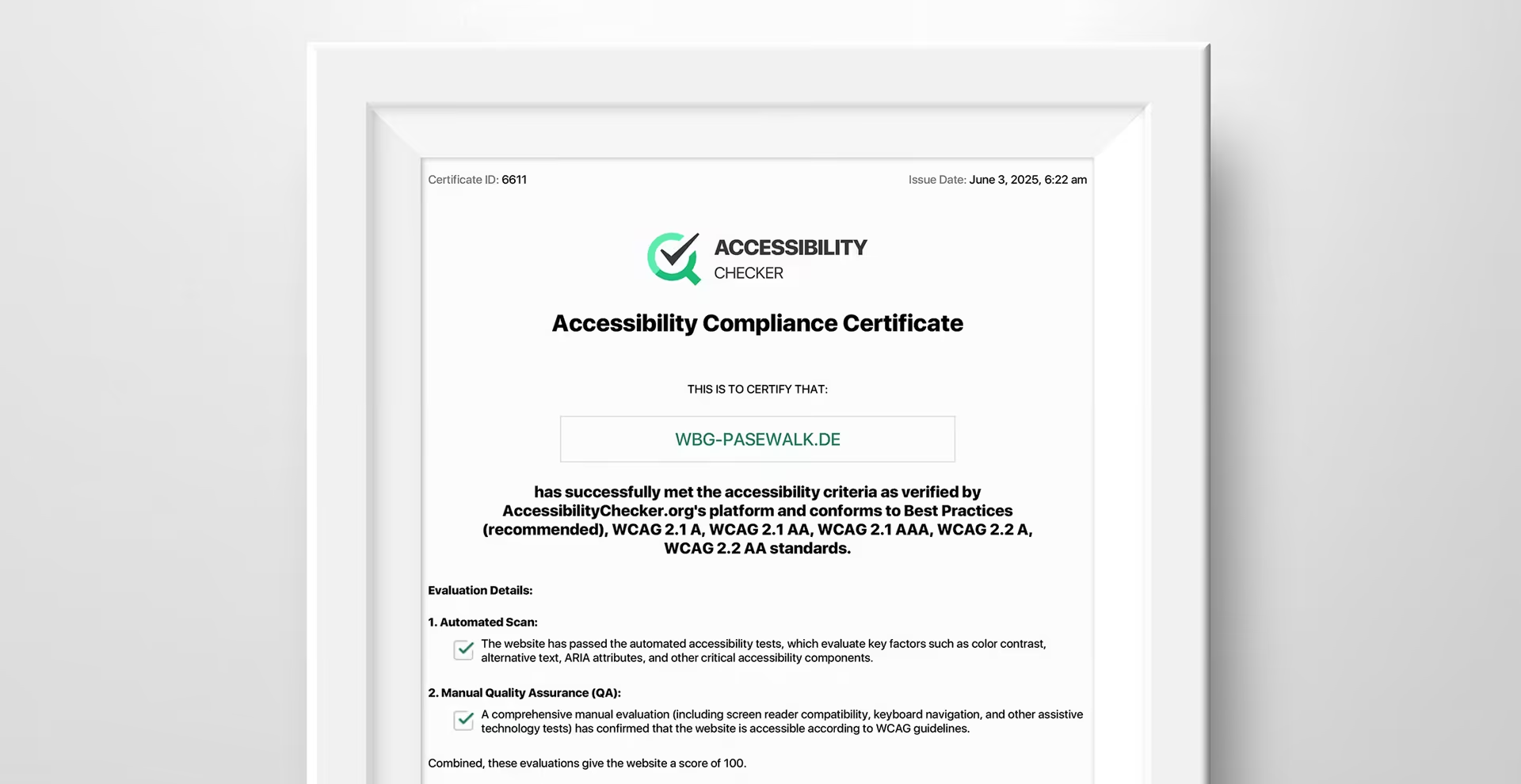
And at the end? There are no nice promises, but hard results – documented, certified and traceable:
Analysis tools? Of course we use them. But that alone is not enough.
We rely on two professional testing tools that check the websites according to the WCAG requirements. We rely on AccessibilityChecker.org and AccessScan. It is almost the only way to obtain objective data for hundreds of subpages. Without such testing tools, it would be impossible to clearly identify technical and design barriers.
But: No tool can replace common sense and proper manual work. After all, the best values are of little use if your visitors still can’t reach their destination with screen readers and the like. Some manual tests are also necessary.
And the business benefits?
Quite simply:
- Legal certainty (BFSG: check)
- Better usability for everyone
- Greater reach: older users and people with disabilities are also reached
- SEO effects included (PageSpeed & Core Web Vitals often benefit automatically)
- And a nice side effect: Google loves clean, accessible pages.
Imagine that your target customers, due to their age (silver surfers ;-)), are using a browser with a scaling setting of 150 percent to make websites and texts easier to read. It is more than conceivable that Google would prefer to present websites that are also accessible in search queries in order to provide the best user experience for the searcher.
Accessibility 2025: mandatory? Yes. Annoying? Sure! But also a damn good opportunity.
We have analyzed and optimized dozens of pages over the last few weeks.
And we realized that no website is truly barrier-free. But almost every one can be. We’ll help you too and get to work.
Is this what your current accessibility looks like … 568 issues?
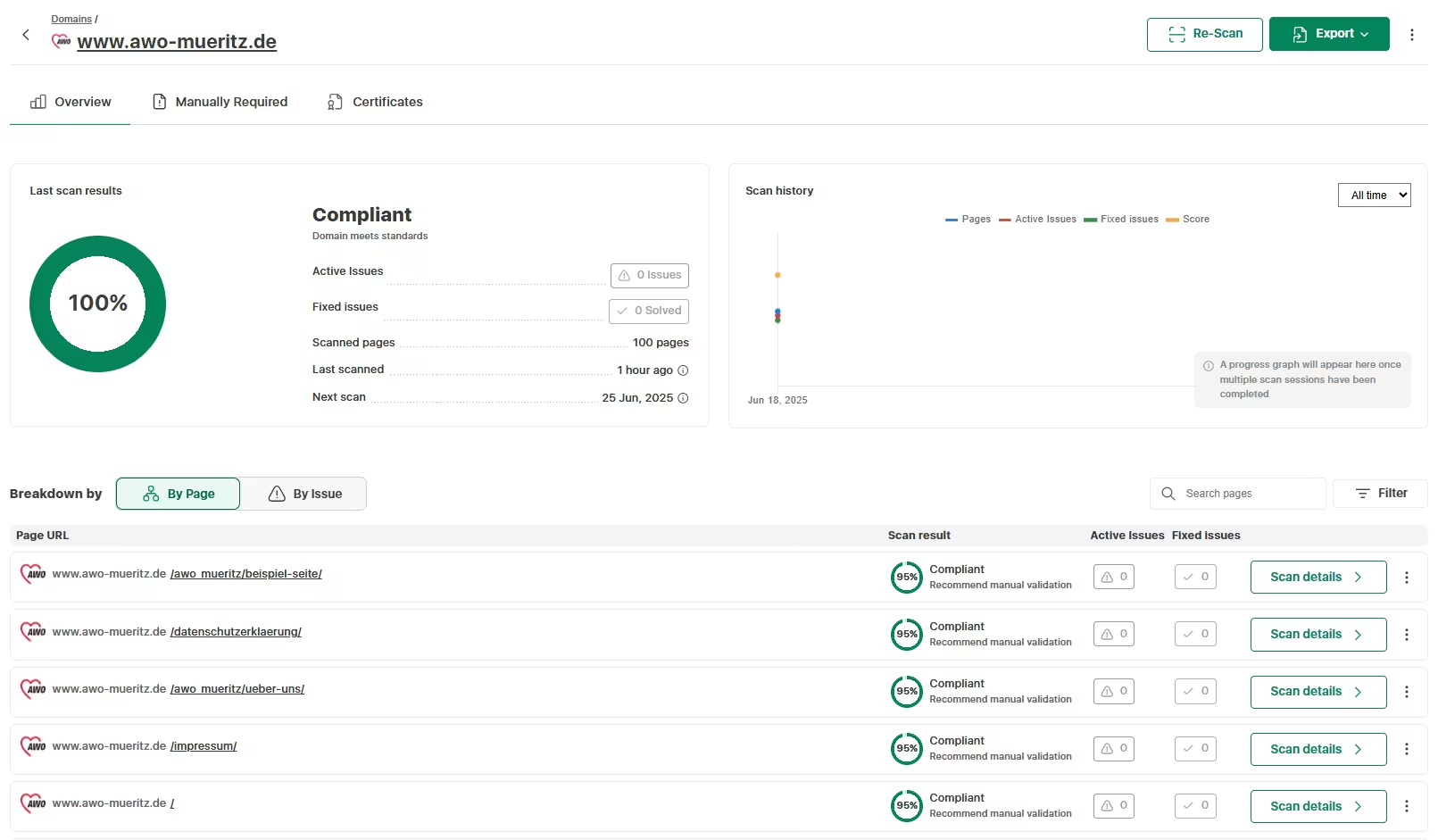
Or rather like this?
Now it’s time to do something.
Why not check your website yourself? AccessibilityChecker.org and AccessScan show you quickly (without registration) and free of charge how your website currently stands. The scan only includes the home page in the free trial.
If you see more red than green in the results: no need to panic. We’ll make your website fit. So that it looks like this afterwards:
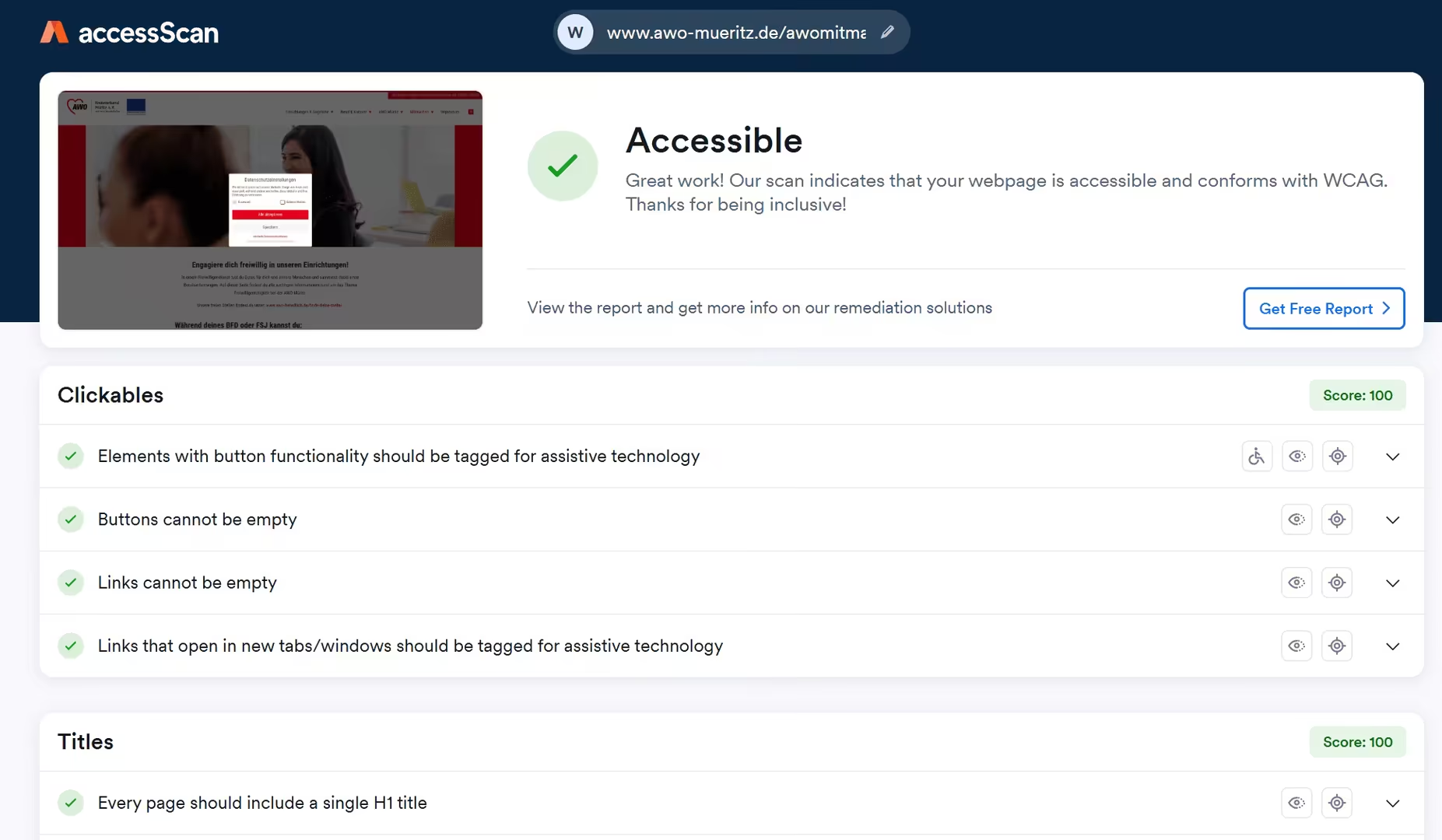
No blah blah blah. No expensive analysis sheets for four-figure sums. Instead: clear implementation, comprehensible documentation, certificate.
So that you are not only compliant, but can also be proud of your site because it really helps people. And if you want to find out how much it costs for us and our competitors, we have a comprehensive blog article on the costs of website accessibility (audit, implementation, prices).
You want to know what to do with your site? Write to us. The initial analysis with full scan is free of charge. You can also find more information on how we implement accessibility for websites on our landing page linked in this sentence.
Contact us now or send an email directly to info@4eck-media.de