SEO Strategy: 9 Important Steps to Multiply Visibility
My SEO manager Vitalii always says that SEO is so easy. It’s just 1,000 small steps and a lot of focus and discipline over the long haul. He is right. SEO isn’t that hard at all. It’s just incredibly diverse. Instead of naming 1,000 small individual tasks here, I want to cluster the most important ones into nine steps for your SEO strategy, showing you how you can multiply your visibility on Google.
It’s clear that SEO tips to multiply visibility are available at every corner. On YouTube, LinkedIn, in blogs, and in forums, you can find out everywhere what needs to be done. It’s easy to say what you need to do. Proving that it works is another matter. Therefore, I want to provide evidence here that my tips are not just theoretical but are based on real experiences with current data. Here is an excerpt from the Search Console of a project… within three months, it increased from 1,600 a day to over 14,400. The trend is linear, showing that the project showcased here was not a favorite of a Google Core Update, but that this success was achieved through daily disciplined work.
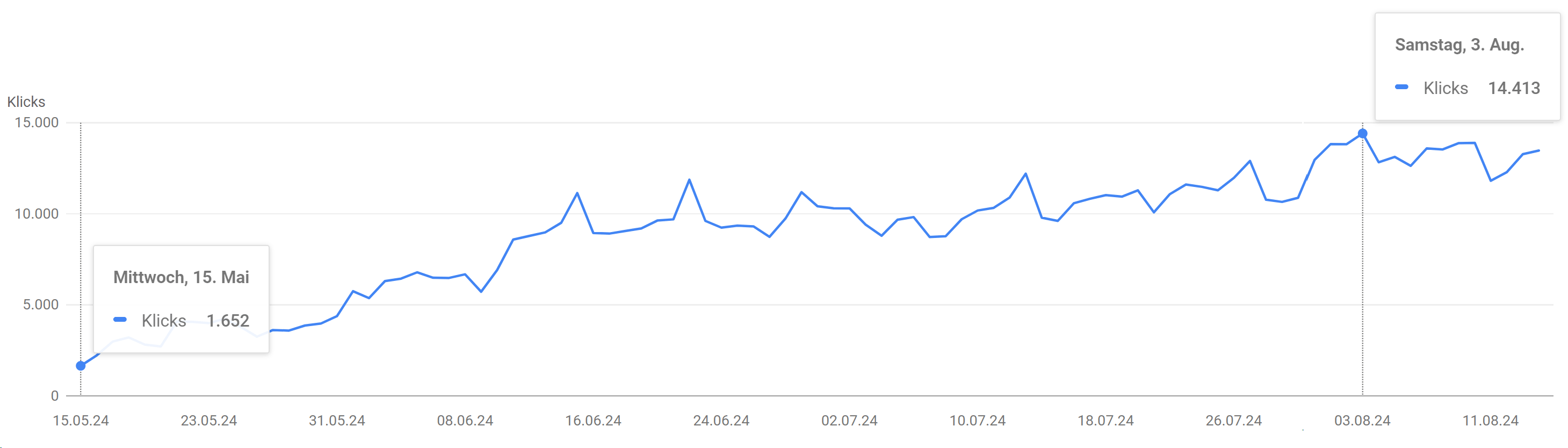
A comprehensive and consistently implemented SEO strategy forms the foundation for sustainable success in visibility in Google search, as you can see in the chart. The following strategy includes for you the essential steps required to optimize a website, from technical checks to content and user-oriented optimization. To be fair, even with these tips, such a multiplication in three months is rather rare. This is because intensive SEO measures have been in place for this project since 2021, and the audits and optimizations of page hygiene were already carried out in previous years. But it should give you an impression that with the following SEO steps, you can develop a strategy for sustainable success. Whether you believe it or not, at the beginning of 2021, this project had exactly 100 clicks a day. Read the steps, apply them to your project, and stay focused while executing them. The multiplication of your visibility awaits you!
Here you will learn how to lead your website to success through systematic audits, targeted content creation, and continuous monitoring.
1. SEO Audits: The foundation for all further measures.
The first step in your SEO strategy is a comprehensive review of the existing website, which serves as the foundation for all subsequent optimizations. This review consists of several specific audits:
- Google Search Console: A detailed analysis of GSC data to identify crawling errors, current visibility, rankings, etc.
- Technical Audit: Here, technical aspects such as website structure, loading speed, mobile optimization, and the correct implementation of schema markup are reviewed. Security and accessibility are also checked, as these two aspects contribute to the user experience.
- Indexing Audit: Identification of pages that are not indexed or are inadequately indexed, as well as the analysis of indexing issues.
- Performance and Rendering Audit: Review of loading times and rendering processes, especially for JavaScript-heavy websites, to ensure that all content is displayed correctly.
- Content Audit: Analysis of the existing content in terms of quality, timeliness, and relevance.
- Backlink Audit: Examination of the backlink profile to identify toxic links and opportunities for link building.
Here is, for example, the evaluation from PageSpeed Insights regarding the website speed of a new client project of ours that just launched in the last few days:
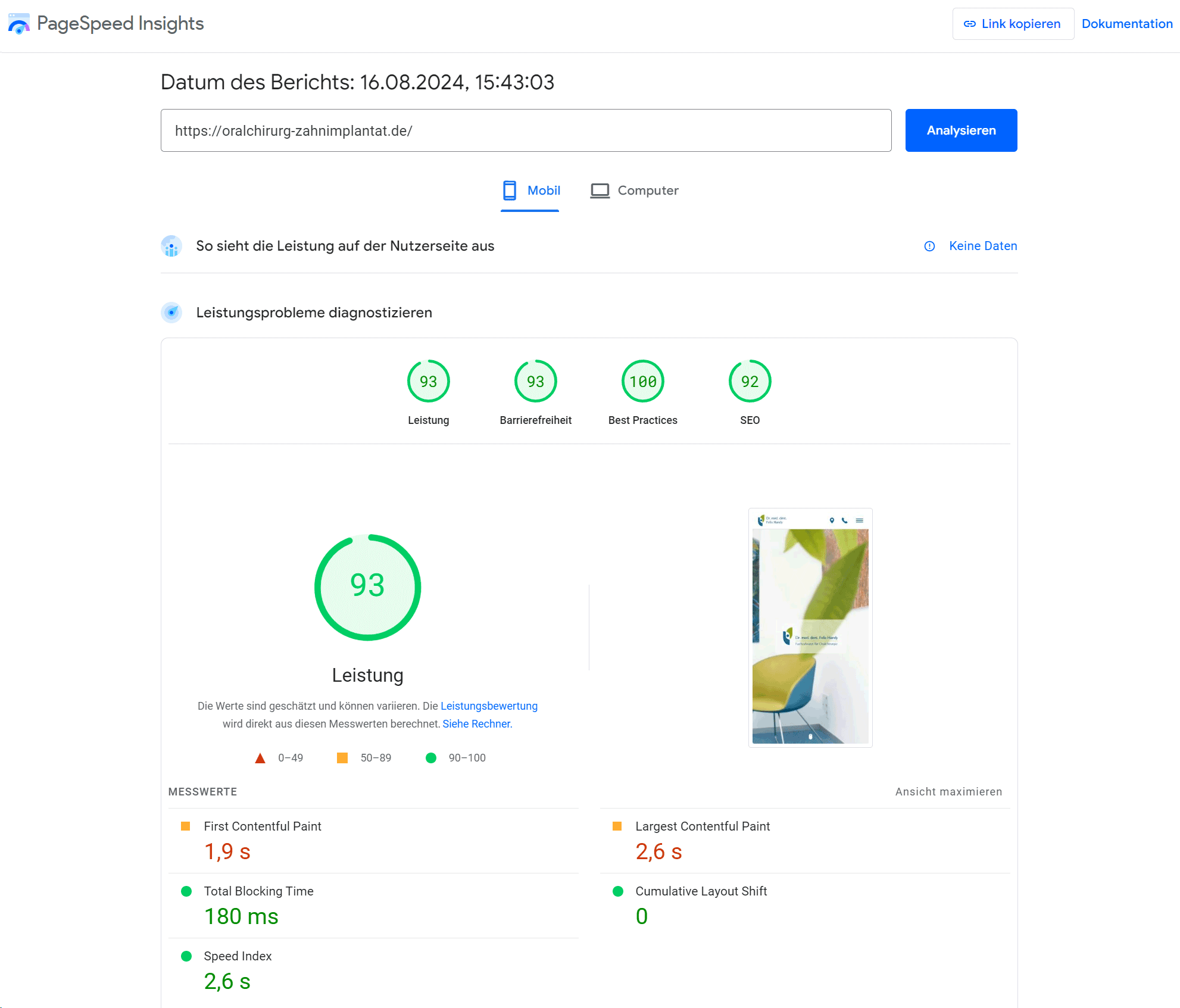
Based on the insights gained from the various audits, a tailored strategy is developed that addresses the specific challenges and potentials of the website and resolves the identified issues. Here, it should be listed which tasks can be handled in-house by whom and where external help (e.g., from developers) is needed.
2. Content Improvement
In the second step, all existing content on your website is assessed for its value and relevance. In particular, the current ranking of content is crucial in determining how much it needs to change. These options for action are critical:
- Content is being deleted because it has no rankings, does not match the search intent of the target customers, and/or is irrelevant.
- Content that is still valuable is identified and integrated into the new content strategy.
- Outdated or stagnant content that provides value but has previously low rankings and click rates will be revised.
- Additionally, new, more comprehensive articles will be created on the focal points of the site to achieve higher relevance and authority in the respective areas of topics.
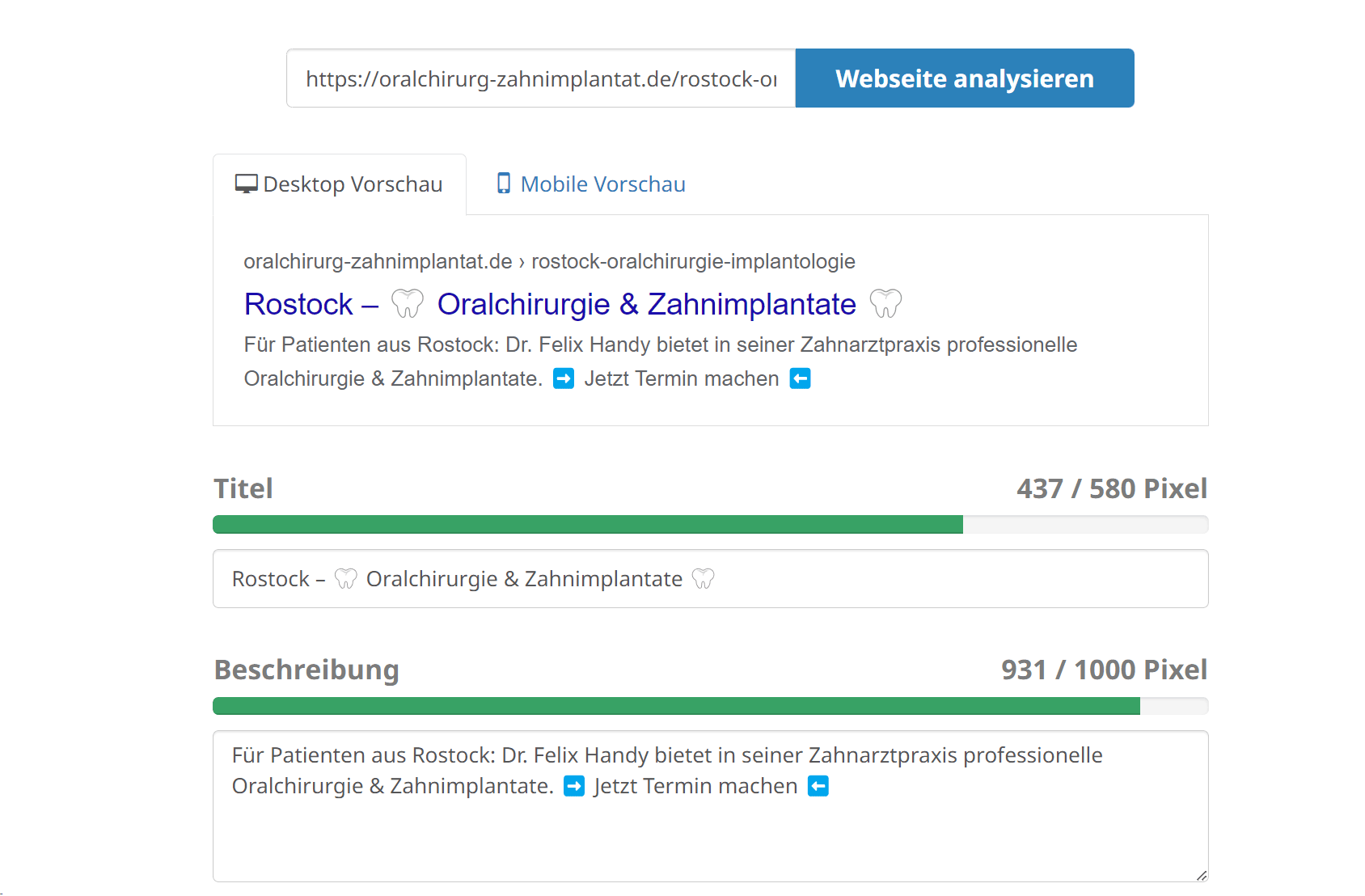
To improve click-through rates, the page titles and meta descriptions are also optimized for higher clickability. For this SERP optimization, you can use the free tool from Seobility, which gives you a good preview every time. In assessing the original result, I integrated emojis with teeth in the page title and arrows for the call-to-action in the meta description. Now this SERP entry attracts more attention, and clickability should increase.
3. On-page sprint and resolution of technical issues (PageSpeed, indexing, etc.)
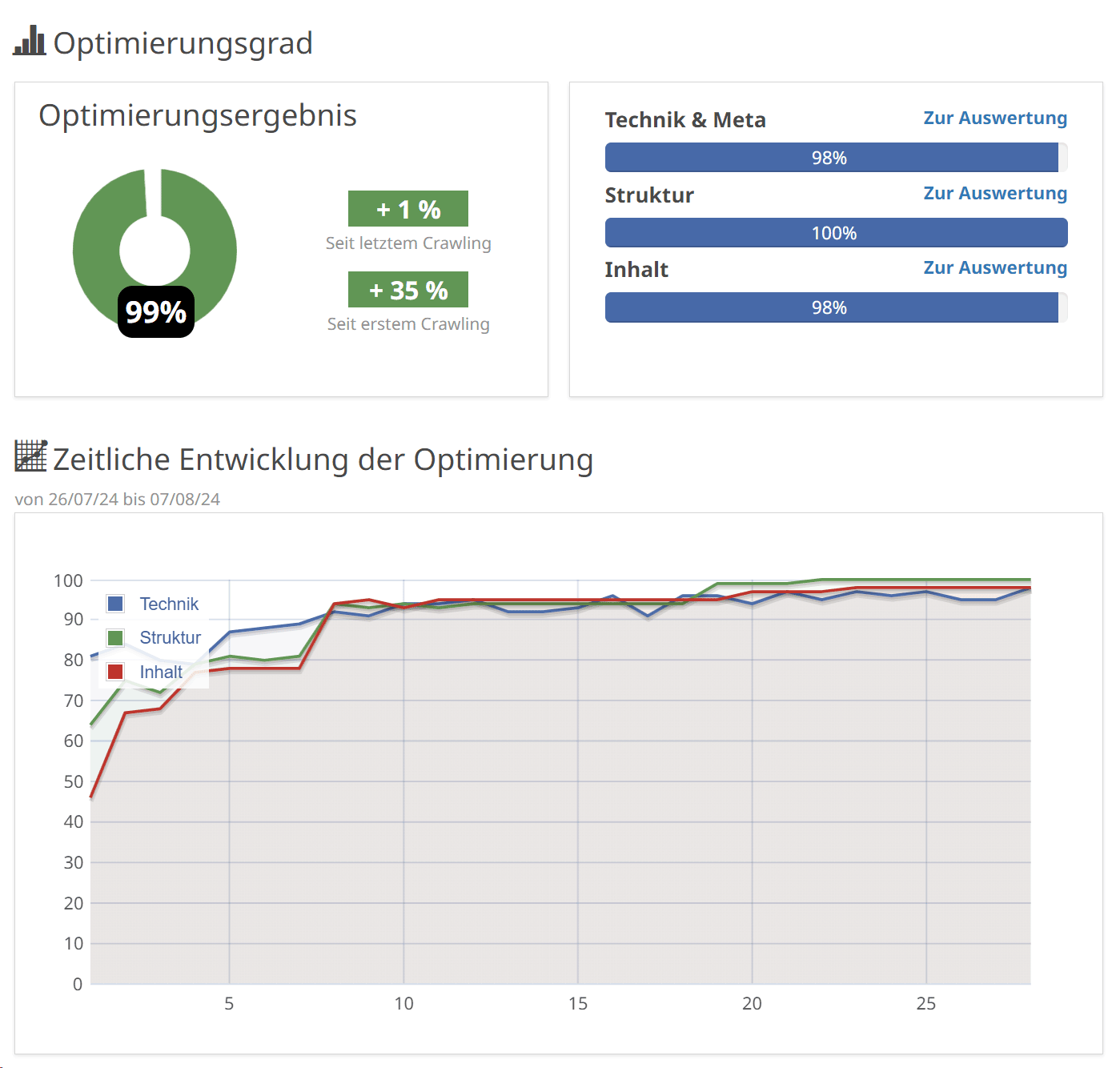
Using an SEO software such as Seobility, the on-page quality is measured in terms of technology & meta, structure, and content. All discrepancies are addressed to restore page hygiene. The following on-page sprint showcases our work for the website of oral surgeon & dental implant specialist Dr. Felix Handy. From the initial values of technology 81, structure 64, and content 46, a total value was achieved during our on-page sprints for a total of 56 pages:
- Technology 98
- Structure 100
- Content 98
Also use an SEO software. It’s simply necessary. Alternatives to Seobility include Performance Suite, Sitebulb, SE Ranking, Sistrix, Ryte, or Ahrefs. For very large websites, you additionally need Screaming Frog or Audisto.
The website speed has already been measured using PageSpeed Insights or Lighthouse. The recommendations provided there should be implemented by the managing agency or in-house developers. It is particularly important that the Core Web Vitals are met! These improvements can then be combined with the OnPage sprint.
4. URL management and internal linking
Efficient management of URL variants is crucial to avoid issues with duplicate content, 404 pages, redirects, and parameter URLs. This includes minimizing reliance on canonicals and strict control through the robots.txt file.
In the following example, there is a stark mismatch between the indexed and non-indexed pages, resulting in many of the problems mentioned above.
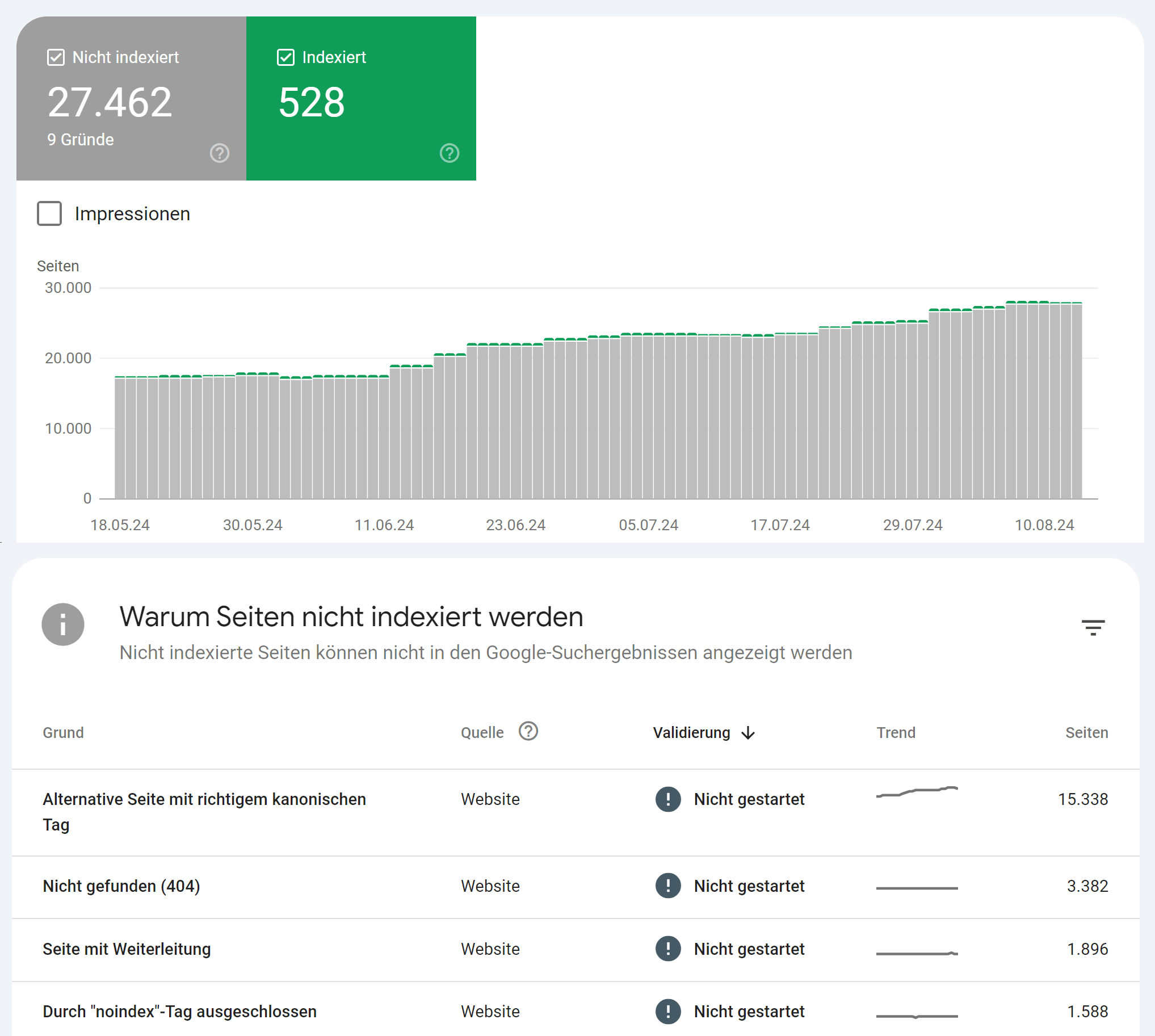
A balanced ratio of anchor texts both internally and externally is equally important. Internally, the diversity of anchor texts is limited to maintain a clear structure, while externally, a mix of brand and keyword anchors is used.
Especially in regular content production by the team, guidelines for internal linking should be defined to maintain the established page hygiene.
5. Creation of Content Briefings: Targeted Content Production
The next big step is the creation of detailed content briefings. These briefings are crucial for clearly defining the requirements and expectations for the new content. This includes the following sub-tasks:
- Relevant search queries and user intent: Identification of the main concerns of users and their search intentions.
- Prioritization of information: Determining which information should be particularly emphasized.
- Content hierarchy and depth: Structuring the content into a clear hierarchy to ensure an optimal user experience for both search engines and users.
- Internal linking and media integration: Determining the necessary internal links, embedded media, and call-to-actions (CTAs) to guide the user through the content.
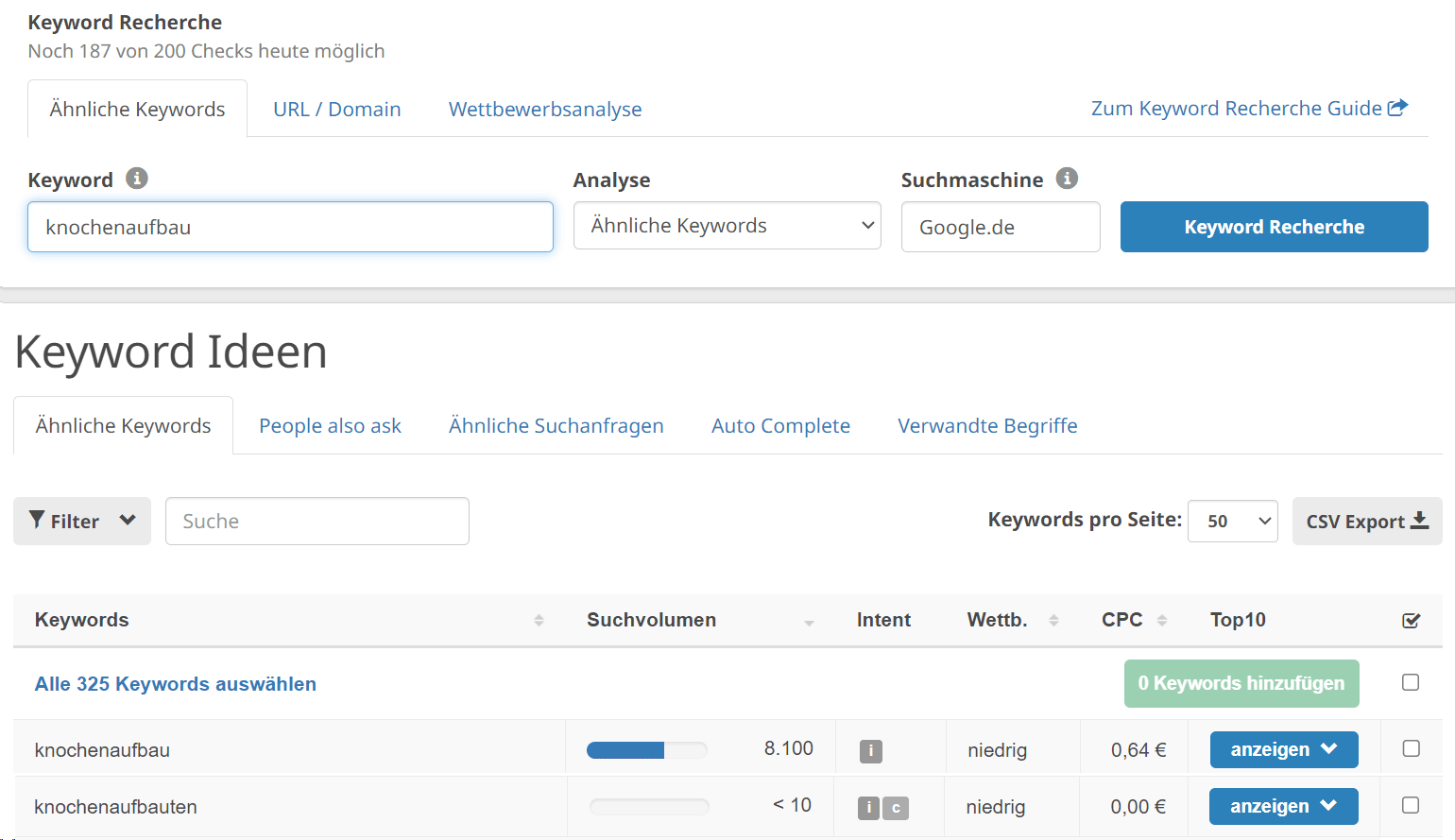
There are specific tools for keyword research, such as those from Seobility. It becomes clear what exactly is being searched for and where small differences can already make a huge difference in search volume.
Example: Bone augmentations vs. bone augmentation. An oral surgeon casually speaks of bone augmentations. And if you enter “bone augmentations” in a Google search, you will find countless websites from dentists and oral surgeons. But what is the person looking for this service actually searching for: bone augmentation. The top 10 in the SERPs are also all dentists and oral surgeons. The search volume between both factually correct terms is enormous.
6. Content production and publication
With the created briefings, you or your author team begin the production of the content. The entire production process is closely monitored:
- Quality control and approval: After creation, the content is checked for quality and compliance with the briefings, sent to the client for approval, and finally published.
- The published content is optimized for the defined keywords using SEO tools. Documentation is done through the integration of the posts into the SEO strategy to ensure tracking of performance regarding rankings.
- Strengthening E-E-A-T: To enhance the credibility and authority of the website, special attention is paid to carefully substantiating all facts and statements, and avoiding statements that could be misunderstood.
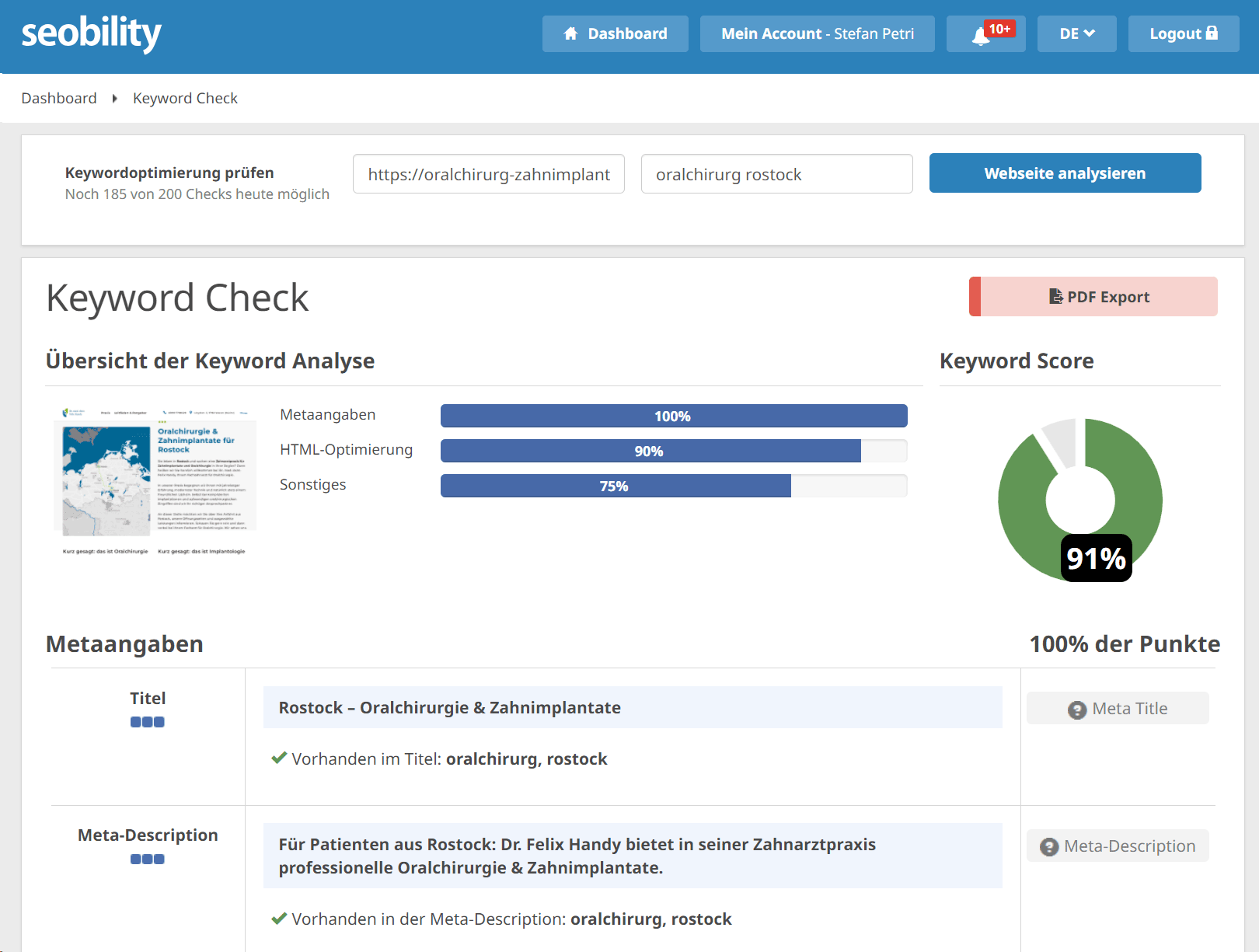
There are various tools that allow you to check the created content for keyword optimization. You specify the keywords and the URL. The automated evaluation provides you with tips on where you still have improvement potential – here is a screenshot of the keyword check from Seobilty:
7. Monitoring and Optimization
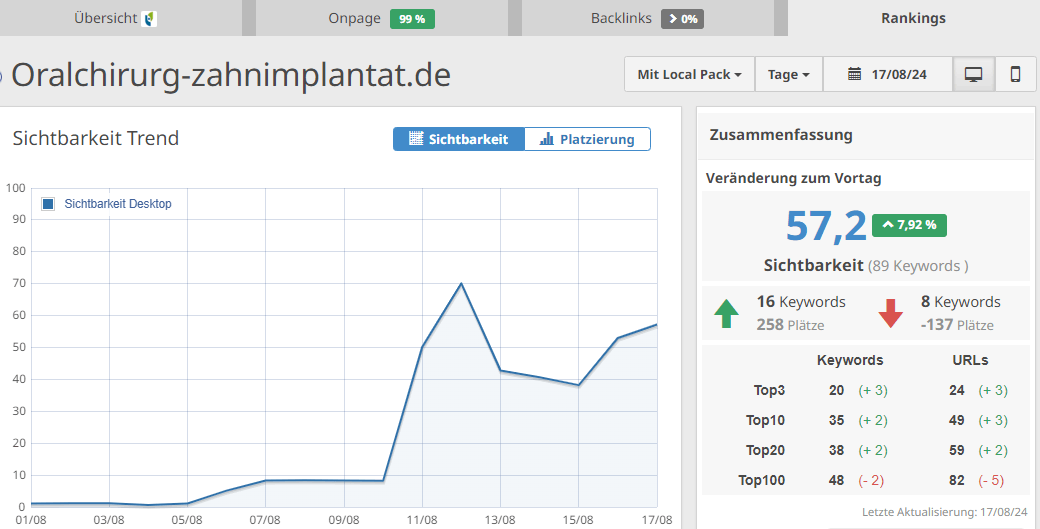
After the publication of the content, the process of monitoring and continuous optimization begins. Using the Search Console, the indexing of the new content is monitored, as well as the development of search queries and how the rankings are distributed across the new articles. Adjustments are made if the content does not perform as expected. In addition to the Search Console, professional tools like those from Sistrix or Seobility also help, where you can track important keywords and review ranking changes daily. Barely online, our client project already shows 20 out of 89 observed keywords in the top 3 rankings. We are very pleased with this.
It is also advisable to build high-quality backlinks through PR measures, pitching for guest posts, and targeted acquisition of links in existing posts on other websites. Link building is often costly and rarely simple. Backlinks strengthen the authority of a domain, which is why they are a ranking factor for good placements. As you can see, a link in this post has been directly set to our client project of the oral surgeon because we know that this link will also support this new website in its ranking efforts.
With the help of keyword monitoring, the performance of the created content is analyzed. Content from authors that performs particularly well is promoted more strongly, and further content in a similar style is created. Ultimately, a content profile is established that offers users real added value. This also includes providing information that goes beyond the obvious and offers users unique insights and solutions.
8. User experience and UX tests
An important component of the SEO strategy is improving the user experience (UX), because there are always two levers to enhance the target behavior: attracting more visitors to the website or improving the rate of those who perform the desired behavior. The user experience is crucial for the latter.
A user must understand within three seconds that they are at the right website and that they find what they are looking for. If loading times are too long and these three seconds are stretched out, the risk of premature abandonment increases. That’s why PageSpeed is so important.
The presented content must meet the search intent. To use the example above with bone structure: Google recognizes that the search intent of website visitors is not seeking anatomical information about the structure of a bone, but rather inquiring about the oral surgical service related to it.
It must also be clear to the user what the desired behavior is (Call-to-Action). In our example with the oral surgeon, this is: call and make an appointment. That’s why this CTA (Call to Action) is integrated everywhere, and the navigation at the top with the phone number and the location icon is permanently visible.
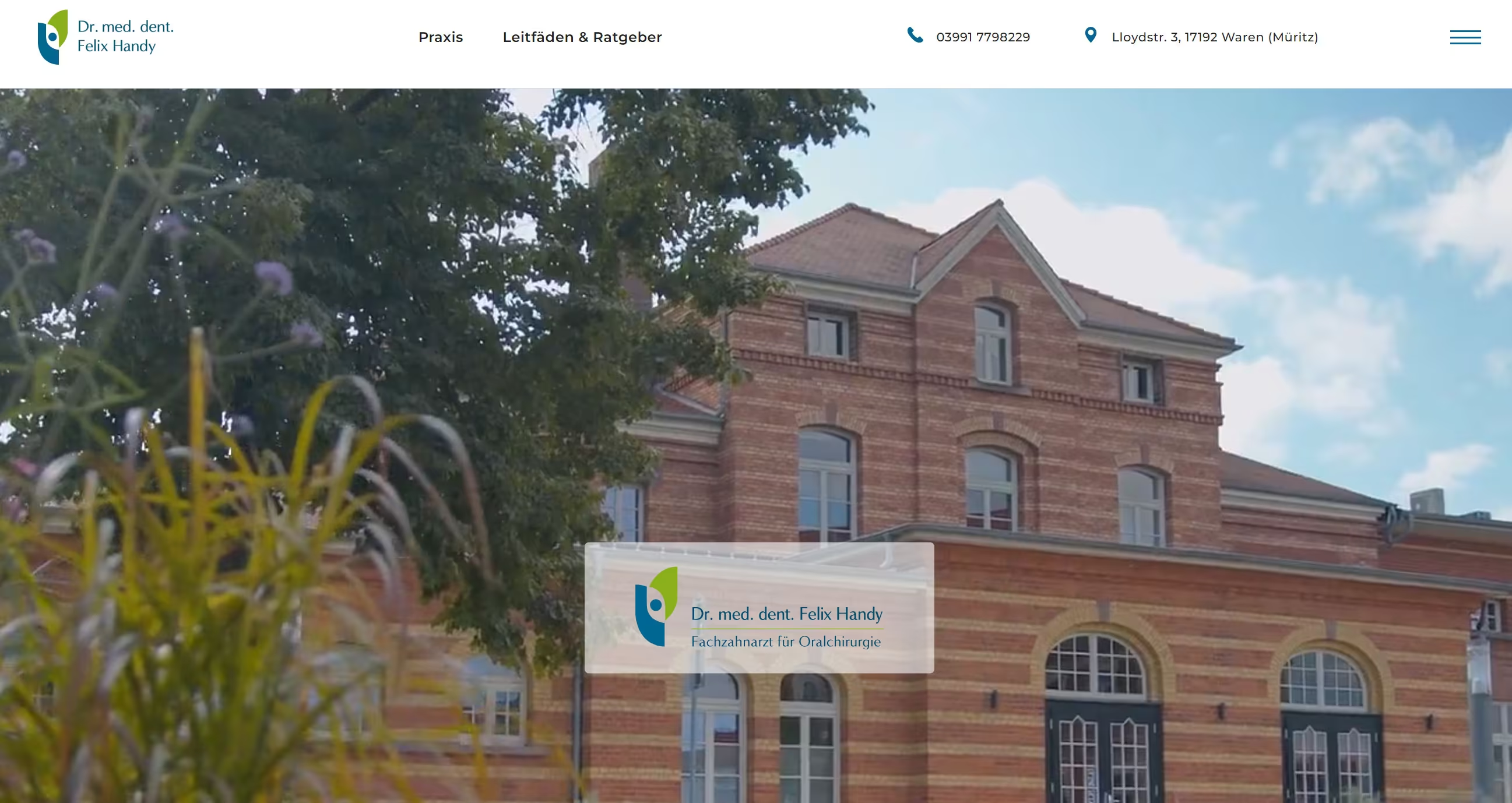
Videos, picture galleries, quizzes, or other interactive elements help to increase the duration of stay and clicks on the site, which are important user signals for Google. If you’ve clicked at the top of the website, you may have also noticed that you weren’t greeted by a cookie banner. While it’s a WordPress site, we actively choose to forgo the cookie banner. The data from the Search Console is sufficient. We prioritize a high user experience and the avoidance of frustration. And when you came to our agency page, you were also welcomed without one. Just ask yourself why so many websites use cookie banners and who actually evaluates the data in the end. Exactly… very few do. Only large websites, platforms, and online shops need cookie banners due to functionality and also because they receive so much traffic that a deeper evaluation makes sense.
Such UX improvements as eliminating a cookie banner, integrating the call-to-action in multiple places, etc., help you increase the conversion rate. If you want to dive deeper into the topic, you can find a video training on user experience from me that lasts over 3 hours. By the way, there is also an SEO course in video format from me.
Parallel work: Brand building through additional channels
A sustainable SEO strategy requires careful budget planning. In the first 12 months, another focus is also on brand building. This includes increasing brand awareness through targeted PR measures, content marketing, and social media campaigns. A strong brand not only improves organic visibility but also has a positive impact on the click-through rate and user trust.
Conclusion: an SEO strategy that will show its effect.
This comprehensive SEO strategy – which includes Technical SEO, OnPage optimization, and content creation – is designed to achieve sustainable results and elevate the website to the top of search engines. Through careful planning, continuous optimization, and close collaboration among all stakeholders, you can ensure that the website is not only visible but also meets the desired business goals. Each individual point in these nine steps has only been briefly addressed and deserves to be discussed in more detail in future articles. Therefore, look forward to everything that is yet to come.
Stay engaged and stay focused, and you too will succeed in multiplying your Google visibility. And if you need help, you know an SEO agency that can support you.