Fischkaufhaus.de with shop relaunch & PrestaShop update from 1.6 to 8
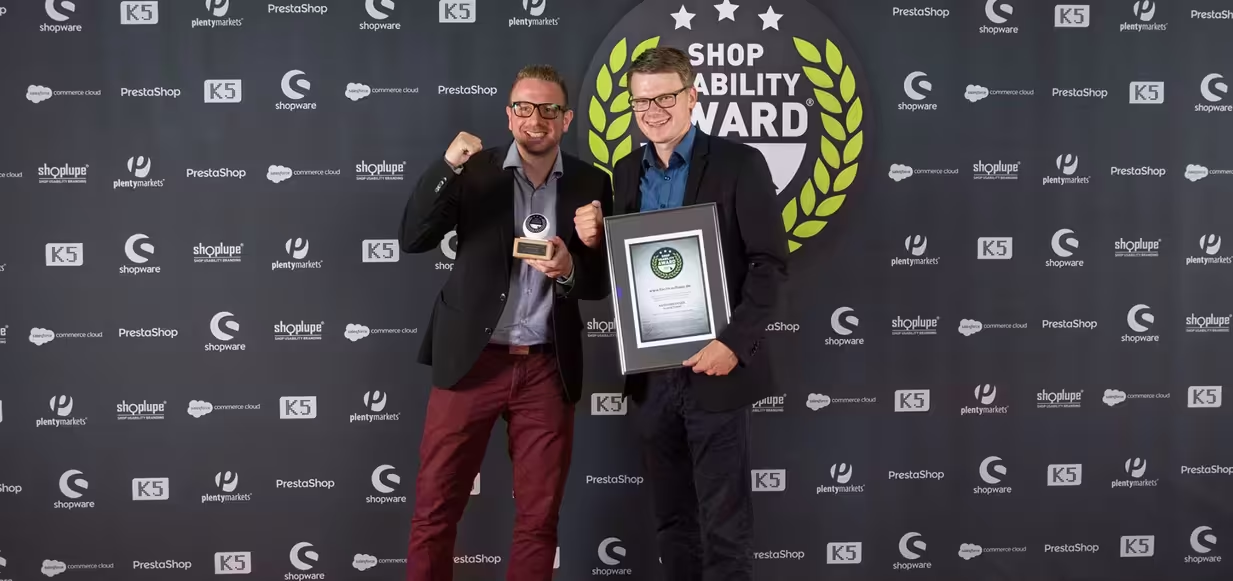
After taking over the management of the existing online shop Fischkaufhaus.de in August 2015, we were able to celebrate numerous successes together with the Müritz fishermen. On the one hand, a new section with over 100 fish recipes was integrated, on-page and performance improvements were made, and newsletter marketing was established and expanded. In addition to two awards with the Shop Usability Award in 2016 and 2017, the greatest success by far is that the revenues have multiplied over the years.
The shop system at that time was PrestaShop 1.6. This led the development of the shop system into a technical dead end, as an update from 1.6 to 1.7 was no longer easily possible due to too many changes in the core of the shop system, and Fischkaufhaus.de had already been individually designed and developed at that time.
The years went by and a relaunch of the shop was postponed repeatedly. However, at the end of 2022, Müritzfischer decided to go for a shop relaunch. We recommended completely redesigning and developing the shop while keeping PrestaShop, but with the newly released version 8 (actually 1.8… but for communicative reasons, PrestaShop seems to have opted for a whole number).
It makes sense for us to stay with PrestaShop, as changing systems during a relaunch is very risky and the migration of content is absolutely challenging. Additionally, the risk of a significant loss of visibility due to the URL changes would have been very high.
We had already carried out several relaunches with system changes at PSD-Tutorials.de as well.
- from PHPNuke to vBulletin
- from vBulletin to Zend Framework with Xenforo
- from Zend Framework with Xenforo the separation from Zend and the update to the exclusive forum software Xenforo
Similarly, TutKit.com was initially created with the PHP framework CodeIgniter and then underwent a relaunch with a complete redevelopment using the PHP framework Laravel. We know what we’re talking about when we discuss the dangers and risks of relaunches.
There are numerous examples where the relaunch of projects went significantly wrong. For example, the Redcoon shop, which no longer exists today. The relaunch of frankfurt.de cost 1.4 million euros and resulted in a visibility loss of 50%. Börse-online.de and macwelt.de were also relaunched. Here’s an image showing how visibility changed after the relaunch according to the Sistrix visibility index.
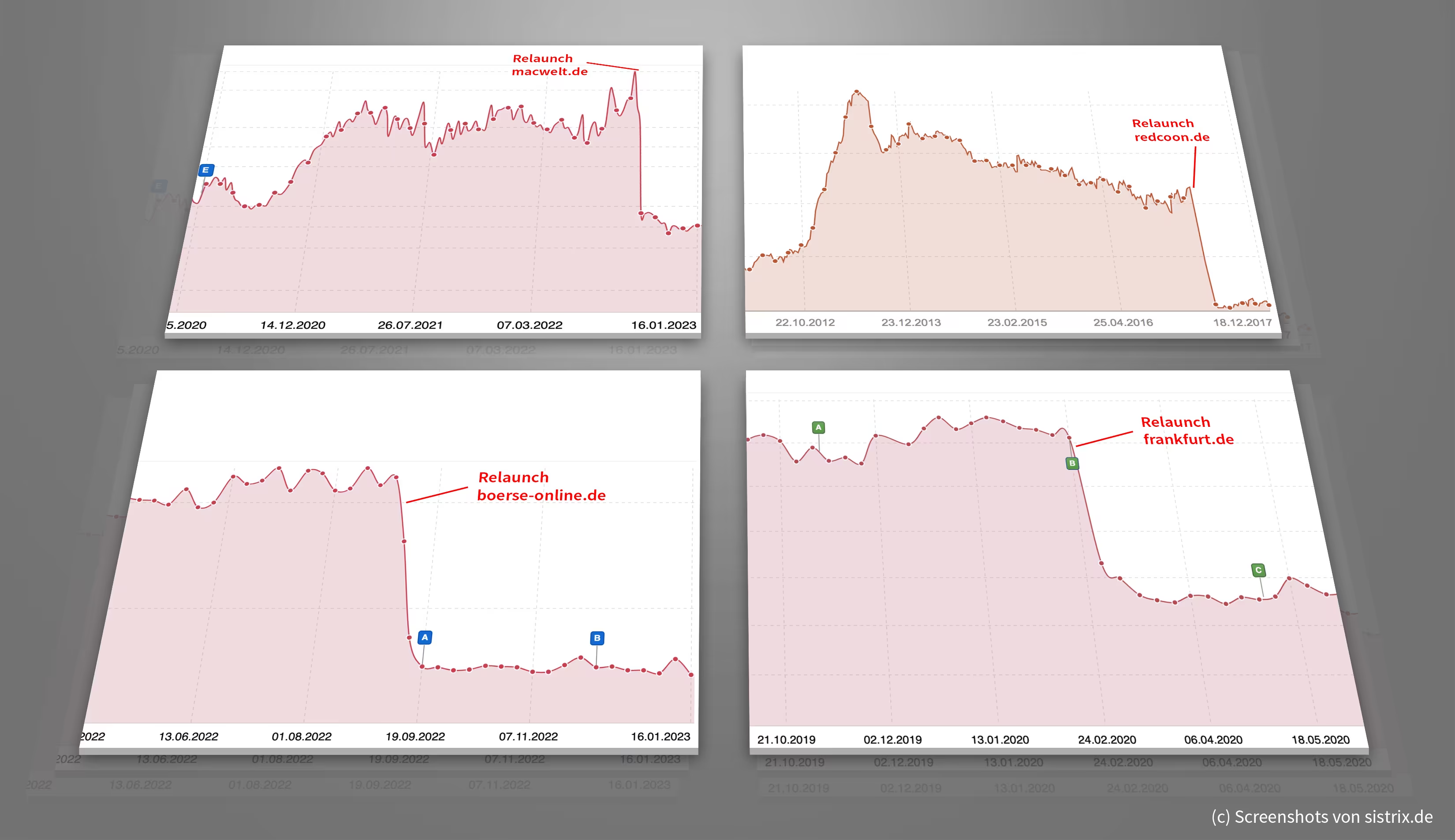
Such a shop relaunch (mis)success should of course be avoided.
What should be considered when relaunching online shops?
The relaunch of an online shop like fischkaufhaus.de requires comprehensive planning and implementation to ensure that the new shop operates successfully and smoothly. In this process, we developed a checklist outlining the optimal approach to ensure that the relaunch goals are truly met and the risk of losing visibility is minimized.
Goal definition and strategy for the shop relaunch:
Clear goals for the relaunch of Fischkaufhaus.de: improving user experience, increasing clarity, expanding the content offering, modernizing the design, boosting revenue and average order value, future-proofing for easier scalability and maintaining updatability.
Thorough analysis of the old system during the shop relaunch:
Conduct a detailed analysis of the current shop to identify weaknesses and strengths. One strength was definitely the performance of the old shop. It simply ran fast. We also considered customer feedback, analysis data, and conversion rates.
User-friendliness (Usability):
Ensure intuitive navigation and user-friendly menu management. Implement clear product categories, a search function, and filtering options. Also, provide a checkbox for “In Stock” products. Streamline the structure and avoid duplications in categories and content, for example, through pagination on category pages.
Modern User Interface & Responsive Design:
Optimize the shop for different screen sizes and devices to ensure a consistent user experience.
Optimize PageSpeed & loading times:
Ensure fast loading times, as long waiting times can deter visitors. Compress images, use caching, and check server performance.
SEO requirements:
Ensure that the new shop is optimized for search engines to improve visibility in search results.
- SEO backup of the old shop with all old URLs and SEO-relevant (meta) data.
- URL Redirect Map: Creation of a redirect list of URLs that need 301 redirects due to the removal of categories or other pages.
- To allow crawling of the development environment and to ensure high on-page quality there before going live.
Content and product information:
Use clear, appealing product descriptions and high-quality images. Incorporate product reviews and customer testimonials to build trust. Mission statement, identifying story, history, and values.
Migration of the data inventory:
Programming a migration tool to import customer data, order data, pricing and cart rules, category contents, and product information. This is one of the most outstanding challenges in such a project.
Checkout, Shipping and Payments:
Offer secure payment options and update privacy policies (Cookie Consent). Use SSL certificates to ensure the security of transactions. Different shipping costs based on cart value and delivery date (Saturday surcharge). Integrate a date picker for 24-hour express service and connection to the Go! delivery service. Payment integration with various payment services.
Integration of marketing tools:
Tools for email marketing, social media (Instagram/FB), Google Merchant Center/Google Shopping.
Testing & Quality Assurance:
Thoroughly test the new shop before the launch to identify and fix errors and issues. Conduct functionality tests on different devices and browsers. Use Lambda testing tools, performance tests, and Seobility.
Training and employee participation:
Train employees on the new features and processes to ensure smooth operations.
Monitoring, bug fixing, and adjustments:
Regularly monitor the shop after the launch and analyze data and functions to evaluate performance. Troubleshoot bugs and make further adjustments if necessary to respond to customer feedback and analysis data.
A relaunch of an online shop requires careful planning, execution, and monitoring to ensure that the new shop meets customer expectations and is successful.
The steps from conception through development to go-live in a shop relaunch:
1. Research Phase
As we have been collaborating with the Müritz fishermen for many years, we are familiar with their goals as well as their (target) customers and are aware of the requirements, needs, and pain points. Nevertheless, we initiated an intensive research phase and thoroughly analyzed the competitive situation while researching the best (international) industry solutions related to food shops.
Our research file contained over 50 pages of input for our UX team at the end, featuring the best international food shops that set the benchmark for us in terms of functionality, design, and technology that we aimed to surpass. We liked many shops as a whole, and sometimes it was just small areas or features of a shop that really impressed us or provided a good way to ensure Google’s EEAT principle for good content quality, etc.
2. Wireframe Concept for the Shop Relaunch
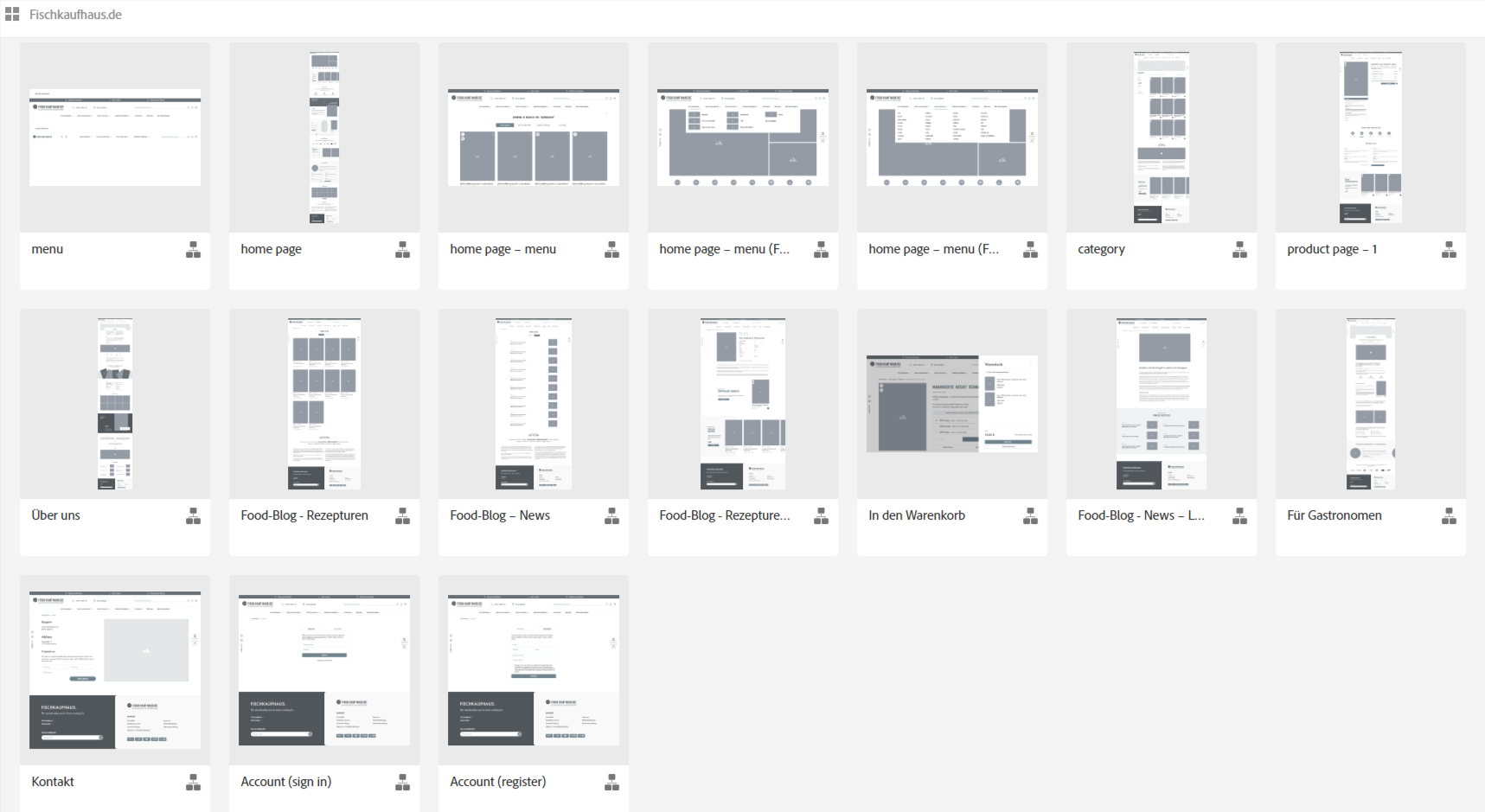
Based on our research materials and the corresponding briefing, we developed a tailored concept for Fischkaufhaus.de and the goal achievement of the relaunch as a wireframe prototype. In this conceptual step, we coordinated the entire user experience along the customer journey (information and interaction architecture, click paths, call-to-actions, etc.) together with the Müritz fishermen and conceived the structure, content, and setup of the future online shop.
Here is an overview of what a clickable wireframe concept looks like in this very early phase of conception.
3. Design of the user interface for the new shop
After the wireframe concept had established the information architecture, interaction specifications, and navigation paths and had been aligned with the client, we brought the concept to life with the elements of the style guide, meaning with the right colors, fonts, images, and also with the appropriate texts, as far as they were available from the existing shop.
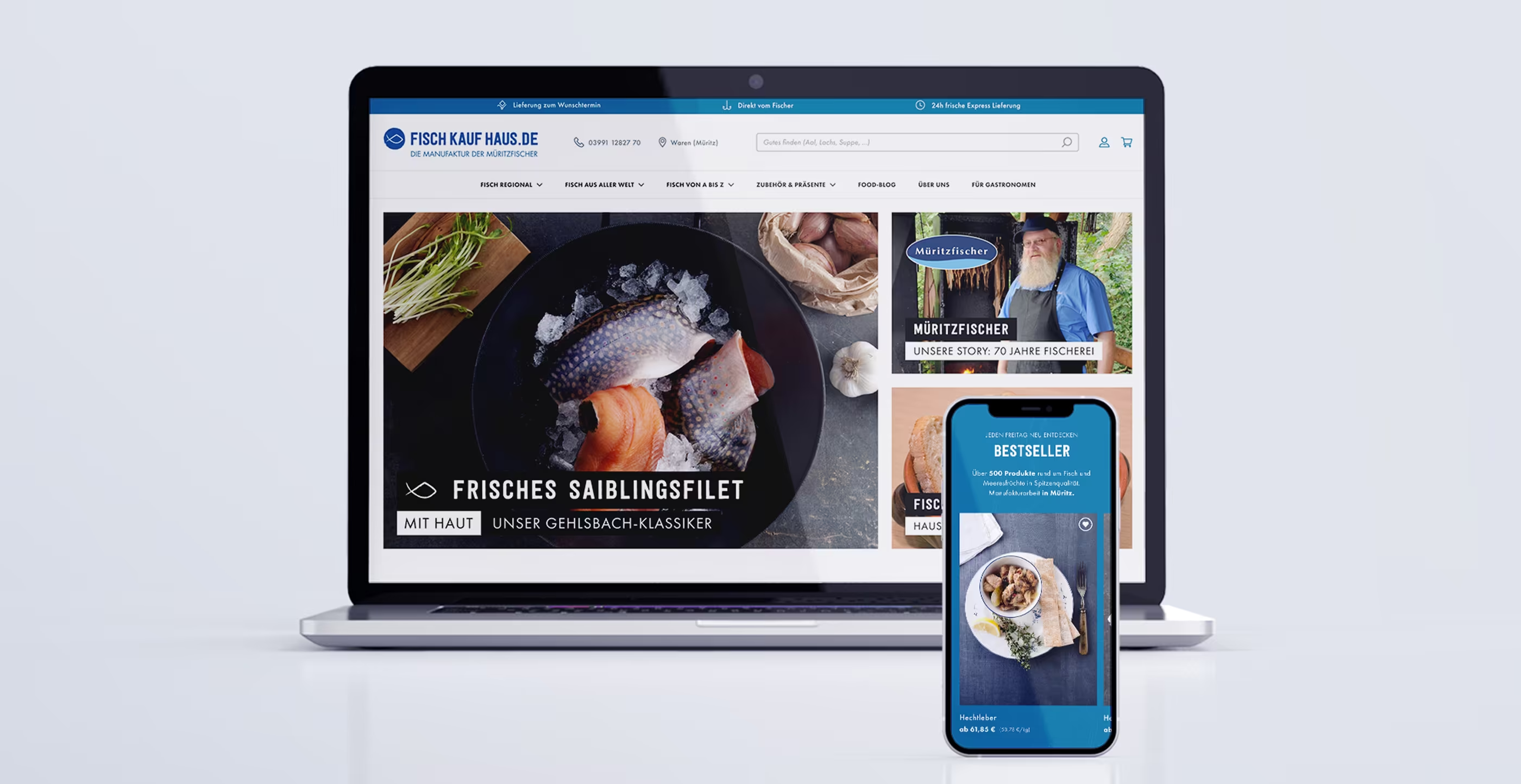
This way, one gets a feel for the future shop, and thanks to the clickable online prototype created with Adobe XD, the client was able to navigate through it and provide valuable feedback, even though everything was still at the design level. Here is an excerpt from the user interface design concept, which included 42 boards for the desktop version:
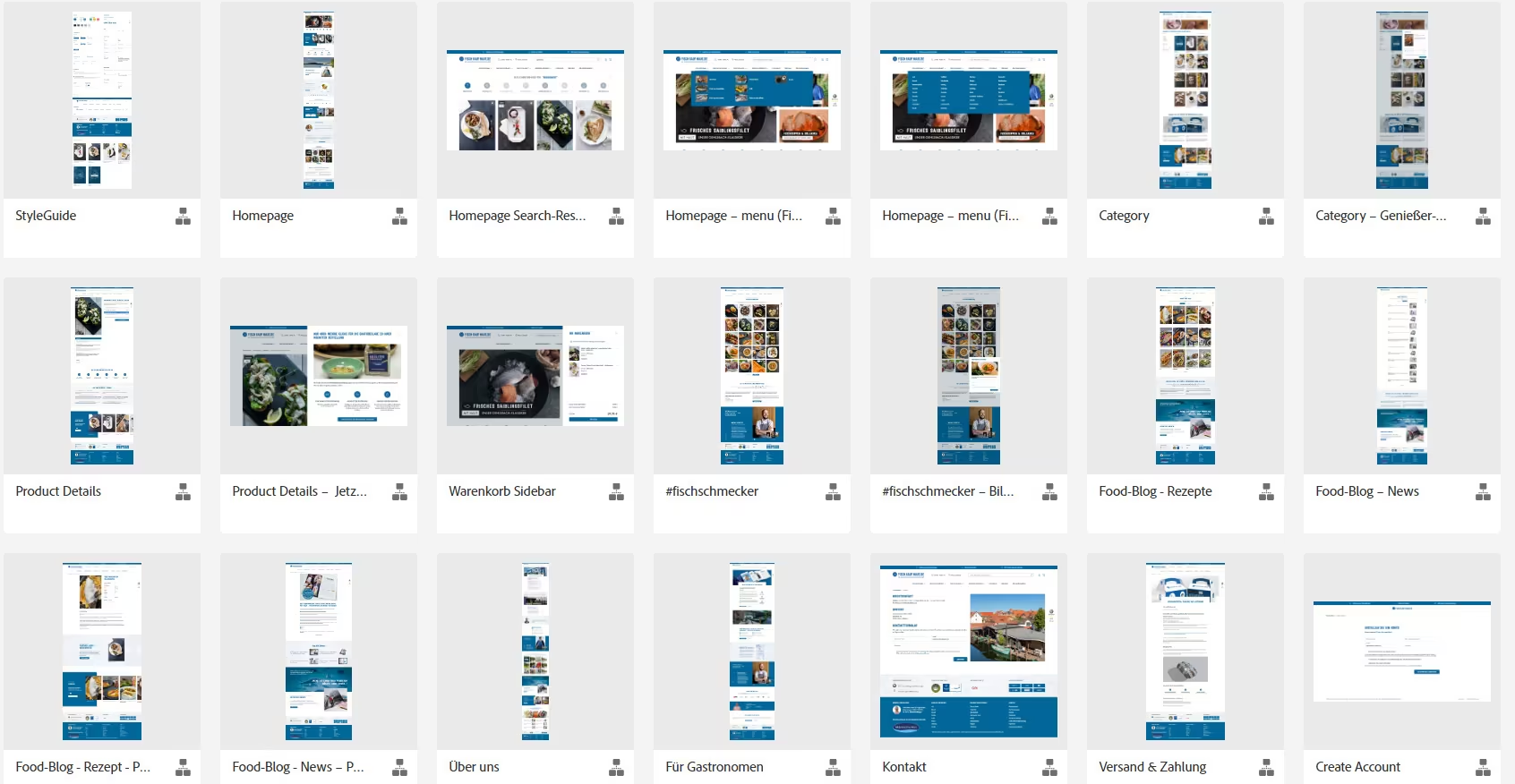
Since most customers already visit the shop through mobile applications, a strong focus was also placed on the mobile version during the user interface design, for which an additional 39 boards were created as clickable prototypes.
The corporate blue has been slightly adjusted and now matches the blue of the Müritzfischer. The font Festivo Letters, which was previously only featured in the logo, is now integrated as the heading font, creating a coordinated combination with Futura (as the body text font).
In the blue oaks, there is a textured pattern of a shallow water motif from the Müritz, which stylistically enhances the overall impression of the user interface.
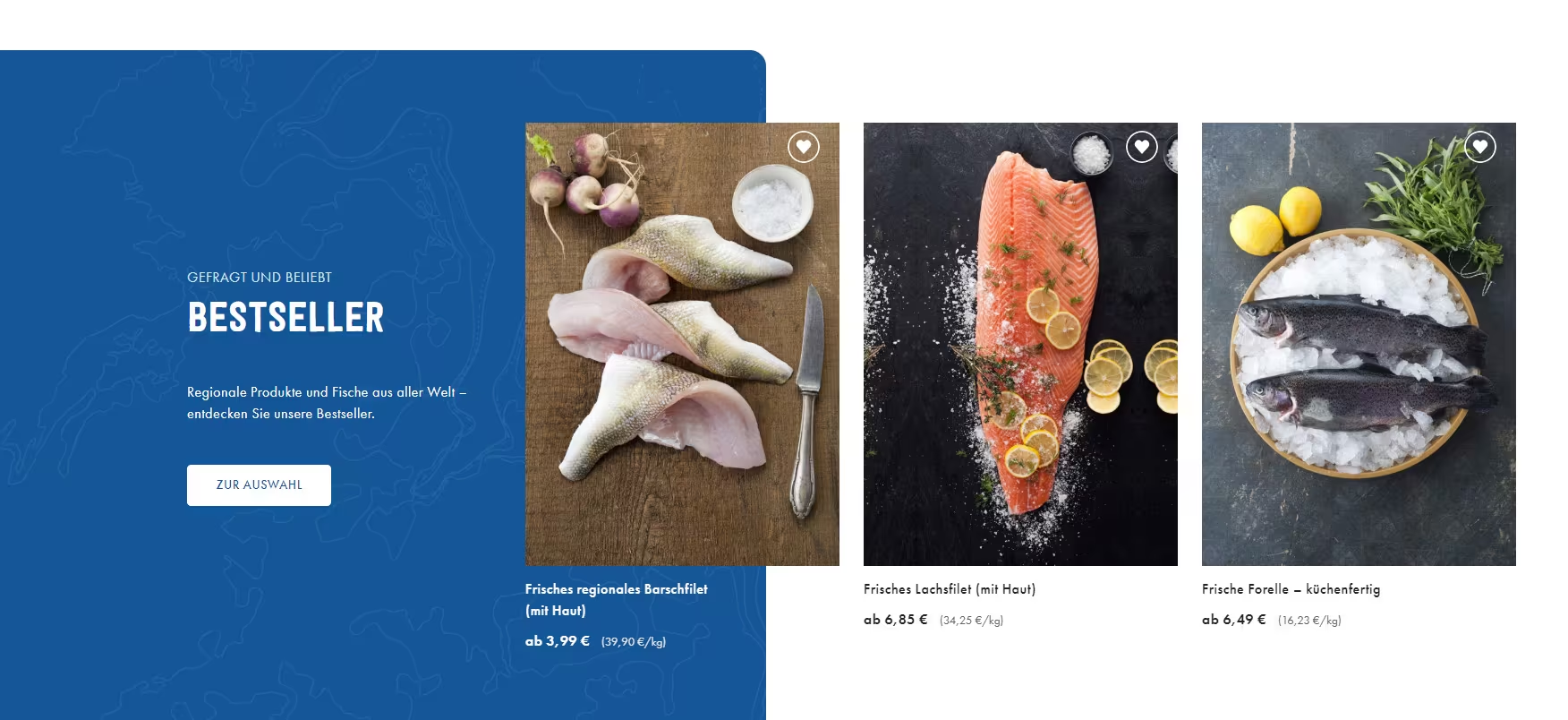
After a multi-hour meeting and a design presentation with the client’s management team, we received immediate approval for development.
4. Installation of PrestaShop 8 and Migration of Legacy Data
On the day of the release of the new version PrestaShop 8, we began developing the new shop. The standard theme was installed. The next major step was the migration of the old data. We decided to migrate the data from the old shop from PrestaShop 1.6 right from the start, as this was one of the biggest challenges of the entire project, and on the other hand, we could work directly with “real” data, meaning categories, products, images, etc.
The migration was successful and we knew that we only needed to update the customer and order data with a separate migration on the night before the launch. A good feeling from the very beginning.
5. Frontend and backend development as well as programming of custom PrestaShop modules.
Now it was time to implement our user interface design and develop a customized PrestaShop. Here, not only was the design implemented on the frontend, but a variety of custom PrestaShop modules were also developed to ensure easy editing of all areas through the backend as well.
Additionally, modules for shipping, logistics, and payment needed to be connected and configured. A module for the Google Merchant Center was also integrated to list the products on Google Shopping. A mail notification function for restocked products was also integrated as a module so that customers can be contacted automatically by email as soon as the stock of the “subscribed” products changes from 0 to X. This is especially useful for fish, as some fish species are available for only a few weeks, such as specialties like Skrei or Pike.
6. Structural and content optimizations (text and image) & SEO sprint
The menu has been revised and tailored to the target audience. Where there used to be a distinction between regional smoked fish and international smoked fish, the smoked products are now grouped together in one category… just like fresh fish, frozen fish, and so on. Who can be sure that trout comes from aquaculture and that rockfish is not a regional fish but is caught in the Atlantic? There are things that are important and obvious for the fishermen but not as relevant for the consumers.
By merging categories, over 20 could be eliminated, and the menu was structured in a more customer-centric way. Additionally, there is now an icon-based filtering system with the most important categories below the hero section (shown here with seafood in the hover).

In the categories, introductory texts have been included, and below the product view, an FAQ section along with fish recipes suitable for the fish species has been integrated. The filter and sorting functions have also been revised, and finally, an “In Stock” filter has been added.
The product pages themselves have also been revised. The product image is displayed larger, and the section with product details, nutritional information, allergens, etc. has been streamlined in the view. When scrolling, the call-to-action (button: Add to cart) remains in view. Additionally, a new section “Good to know” with some key facts has been added.
One of the biggest improvements, which has also significantly contributed to reducing the dropout rate, is the improved structure of the checkout. Unnecessary areas have been hidden, and everything has been optimized for completing the purchase.
The homepage has been enhanced with a mission statement, a social section featuring Instagram snippets, and additional informative content areas. Collaborations have also been established with food influencers, star chefs, and cookbook authors for interviews and testimonials. Even Marteria, who is an avid angler and frequently visits the Müritz, provided a testimonial for the Müritz fishermen.
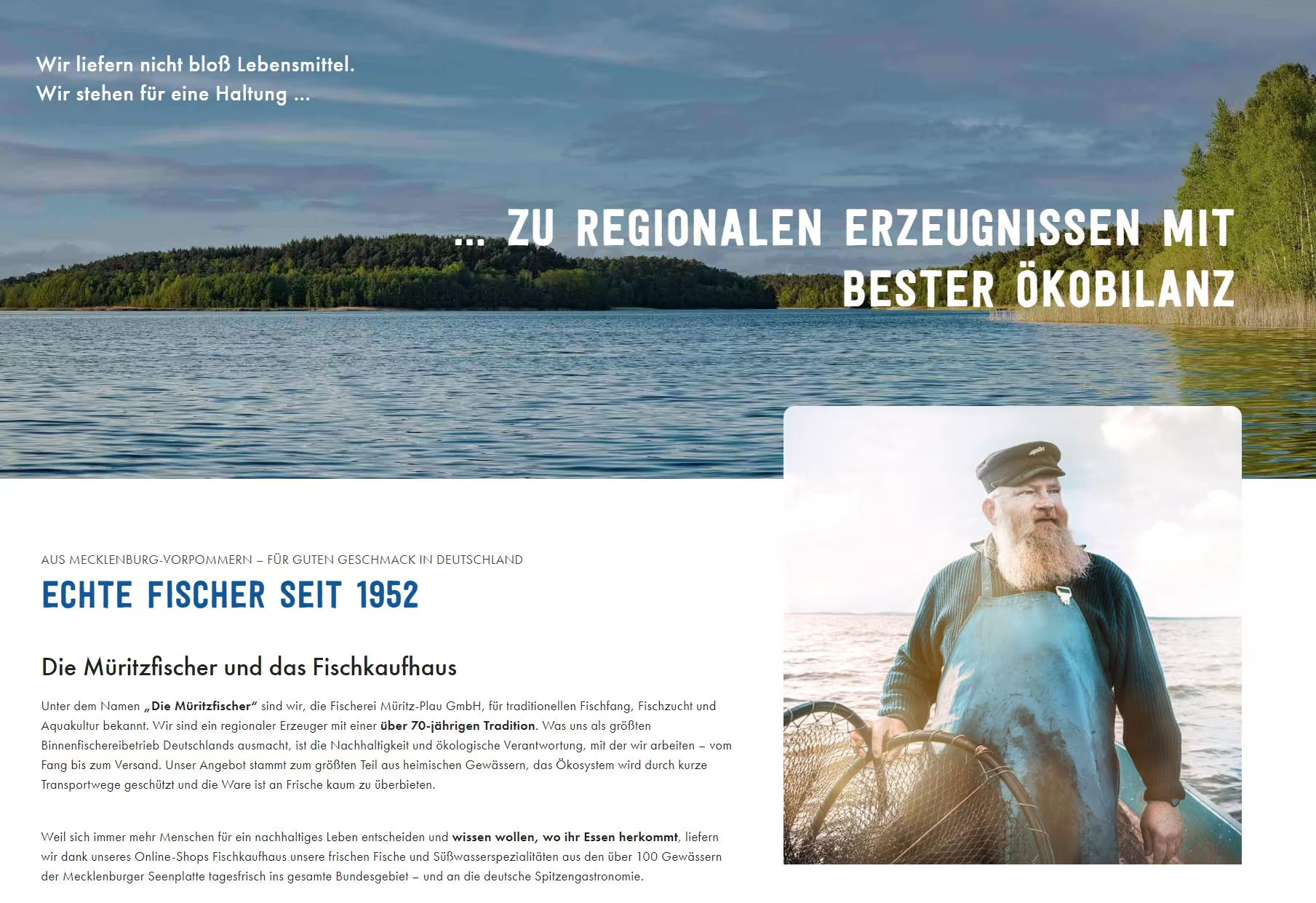
In addition to the image film, there is now an explanatory video about packaging and shipping, aimed at easing the initial apprehension of people who are not yet familiar with the 24-hour cooling express.
On the About Us page, a star author praises it as well as the Greenpeace magazine. Overall, the Müritz fishermen present themselves credibly with their new online shop Fischkaufhaus.de as one of the “top authorities” in the food sector, which is inspiring and creates identification for a sustainable mission for regional products with the best ecological balance.
With the help of the SEO tool Seobility, all pages were optimized, technical, structural, and content-related errors were fixed, and all categories and products were optimized for the relevant keywords. In addition, numerous sections were added that are informative for the customer while also serving SEO purposes. Is there a more beautiful SEO area than this, which showcases its effect as an SEO slideshow on the homepage…? 🙂
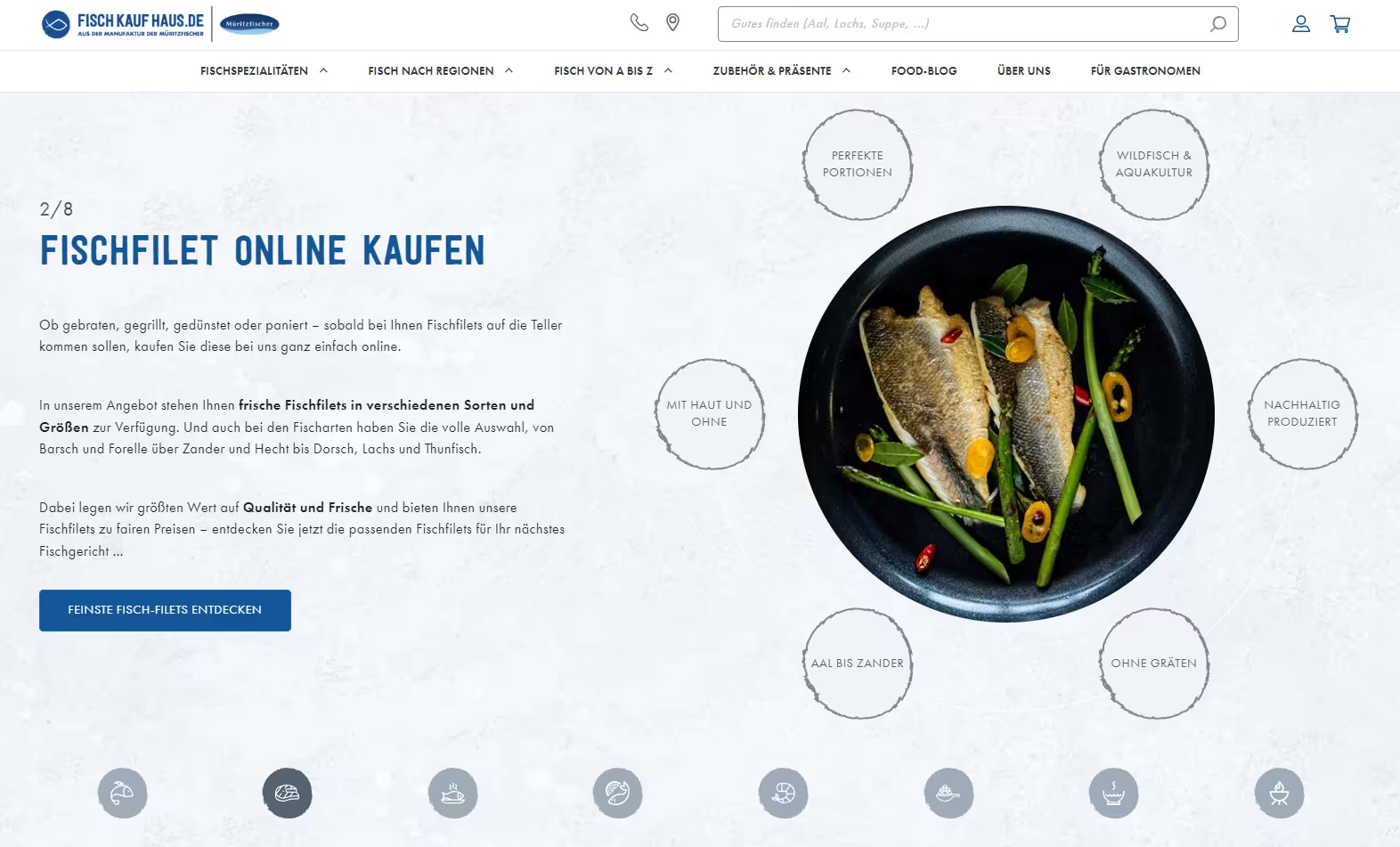
This SEO sprint alone required about a month of work from employees in the content and development areas.
Through the optimizations, the crawled pages have been reduced from 845 in the old system to 478 in the new system. Many of these were previously just duplicate content or otherwise irrelevant pages. This way, the link strength of the shop is distributed over fewer pages, which is a good thing. Thus, the relevance of the existing content is higher and the crawler will be pleased. By the way: I am convinced that this distribution of accessed and analyzed pages will become even more important for technical SEO. With AI, more and more content is being pushed onto websites, and the crawlers can hardly keep up with indexing. As a result, Google will also evaluate where websites are clean for crawlers and where there is just a lot of data junk. The smaller the spread, the better.
Overall, we have optimized Fischkaufhaus.de from 69 to 93 percent SEO score according to Seobility. Such an SEO tool not only serves to improve online visibility on Google, but is also a quality assurance tool to ensure important on-page factors and to avoid typical mistakes that can occur during relaunch processes.
What are the results of the shop relaunch of Fischkaufhaus.de?
Preliminary: We prepared everything for the big relaunch day and initiated the relaunch on the night from Sunday to Monday when there is the least traffic on the site and the downtime has the least impact. This gave us five business days just in case larger issues arose unexpectedly. Even before sunrise on Monday morning, we were online with the new shop. We had set everything up on a cloud server; the provider just had to switch to the new IP, and by midday at the latest, all visitors had seen the new shop. Everything went smoothly. The client was happy. So were we. As a result of the relaunch, we can say:
- A significant improvement in user experience has been achieved both in the mobile application and on the computer.
- The visual and textual storytelling has been improved, and the customer positions themselves even more clearly as a regional provider with a stance.
- The collaborations with well-known food experts (Michelin-starred chefs, cooking school owners, food authors, food influencers) increase credibility and trustworthiness for the fishers as one of the authorities in the fish segment.
- The maintainability and further development are assured thanks to the new PrestaShop 8 line, making it easier for us as an agency to implement customer requests in the future.
- And the most important thing: Just six weeks after going online, there was a sales increase of 17 percent compared to the same period last year.
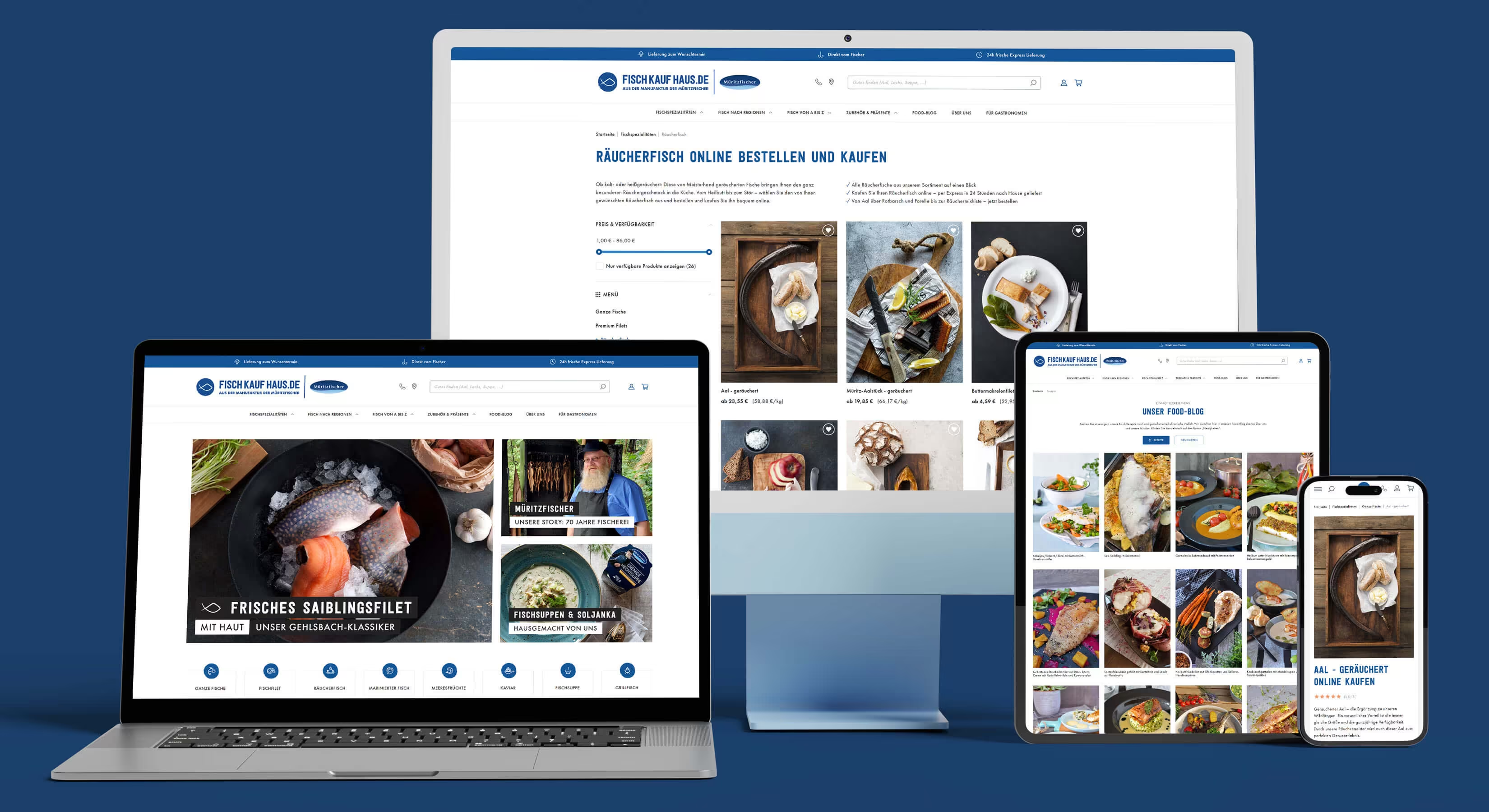
To the online shop of the Müritz fishermen: Fischkaufhaus.de
If a shop relaunch is of interest to you and you would like to be supported by true professionals, feel free to contact us. As an agency, we operate differently from other e-commerce agencies because we successfully run a shop ourselves.